
Lectures Beyond Language: Professor Nataliia Romanyshyn from Lviv to Wrocław_from Wrocław to Lviv
We were honored to welcome Professor Nataliia Romanyshyn to the College for Interdisciplinary Studies at the University of Wrocław in March this year. Her visit created a valuable and inspiring opportunity for academic exchange and lively discussion within our scholarly community.
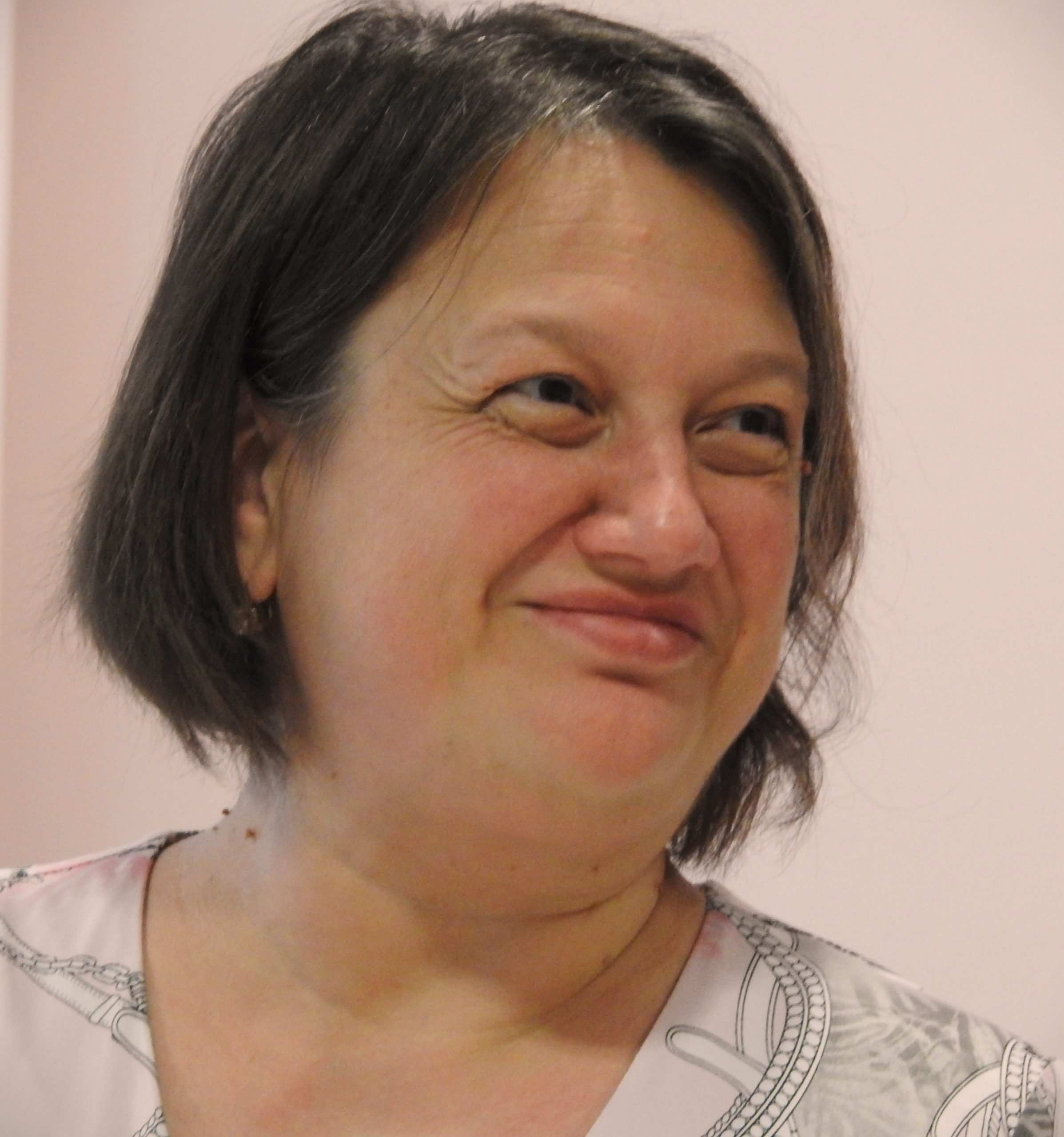
Nataliia Romanyshyn is a PhD in Philology and Associate Professor at the Department of Applied Linguistics,Lviv Polytechnic National University.
Her research focuses on cognitive and applied linguistics, cognitive stylistics and poetics, discourse studies, linguistic pragmatics, and corpus linguistics.
She specializes in the intersection of discourse analysis and literary linguistics, examining how national identity, cultural values, collective memory, and commemoration are represented in literary and public discourse.
Particular attention in her work is given to the metaphorical and symbolic framing of cultural concepts in contemporary Ukrainian discourse.
Dr. Romanyshyn has extensive international academic experience, including fellowships and research stays in Central and Western Europe, notably in the Czech Republic and France. She has led and participated in projects addressing the discursive construction of Ukrainian identity, especially in the contexts of totalitarianism, democratic transformation, and wartime communication. She is the author of numerous scholarly articles, monographs, and edited volumes, contributing to the development of interdisciplinary approaches that combine cognitive and corpus-based methods in linguistic and literary studies.
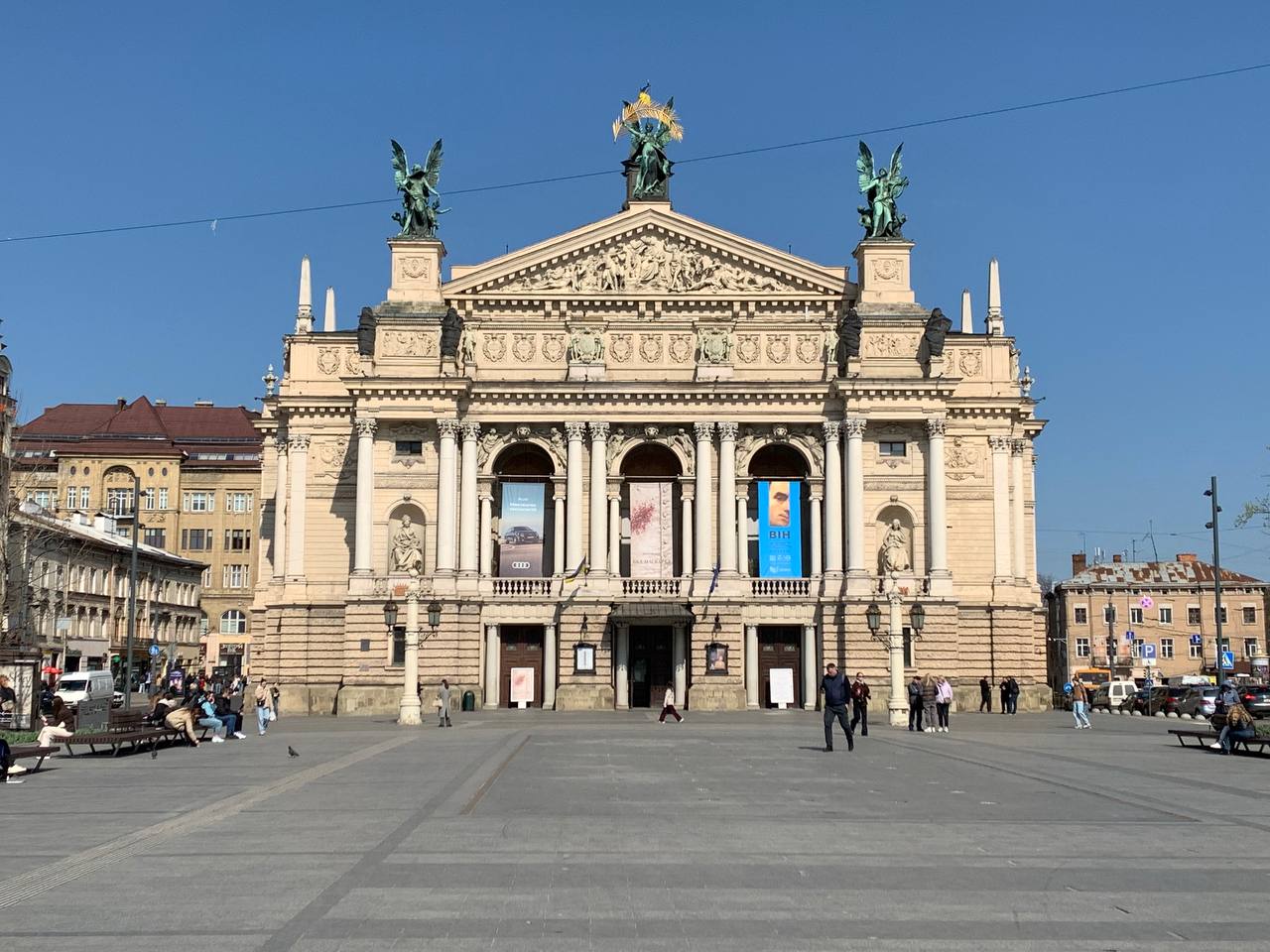
TŁUMACZENIE MIASTA W CZASIE WOJNY – LWÓW 3 kwietnia 2026
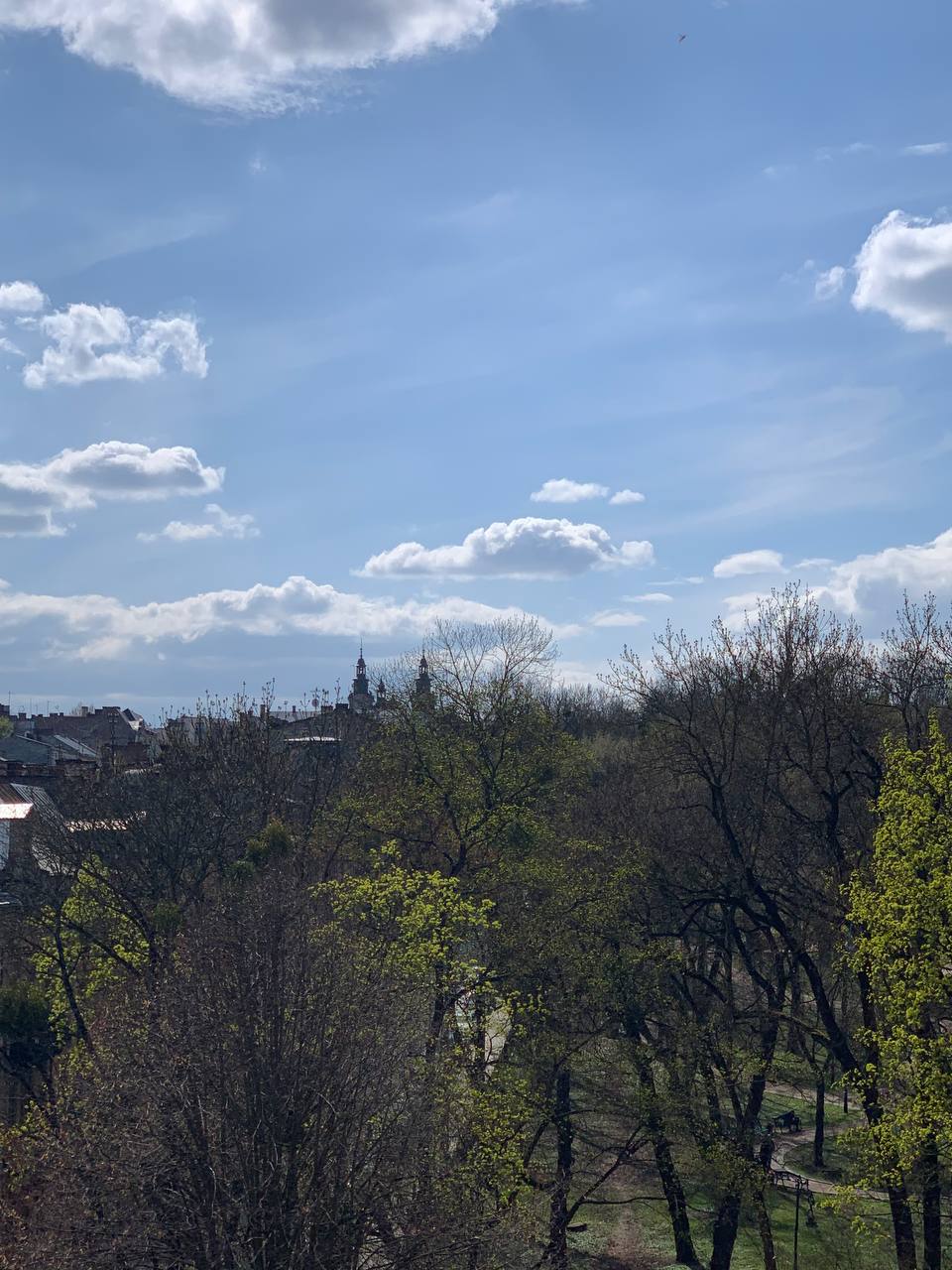
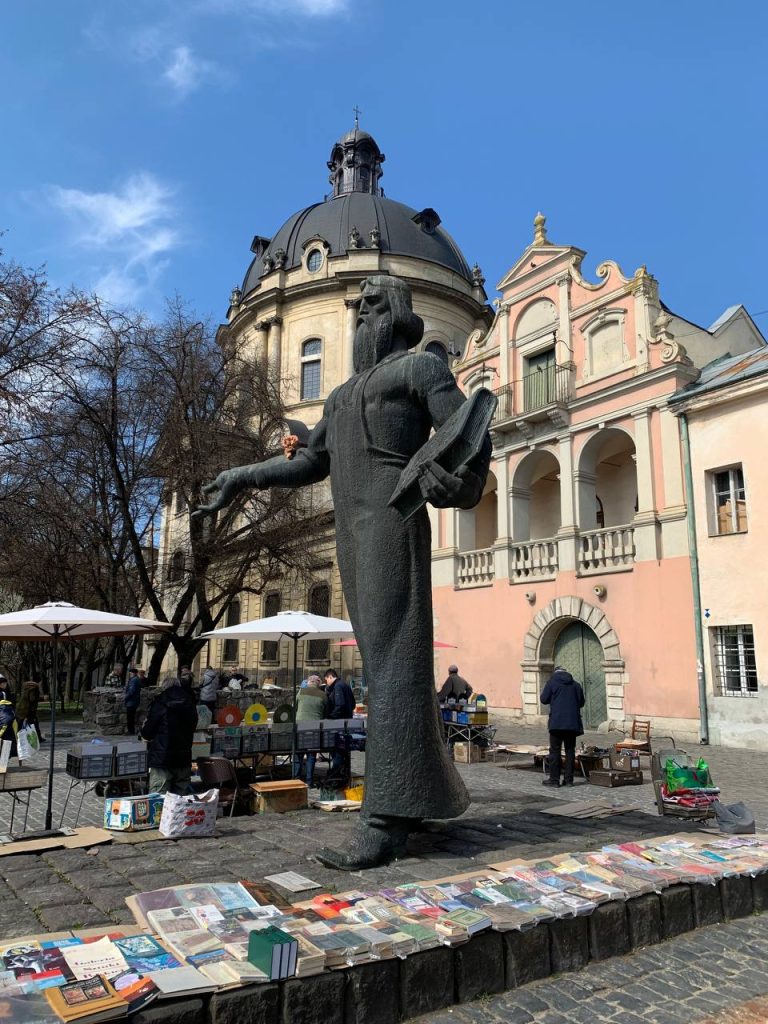
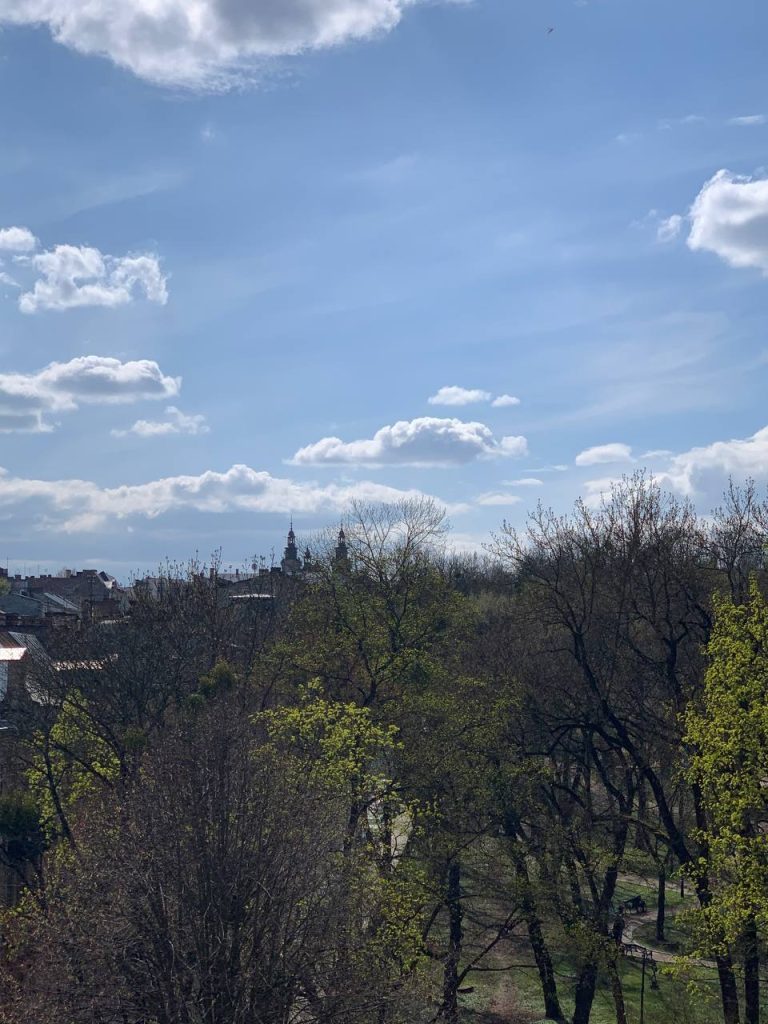
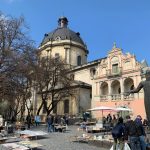
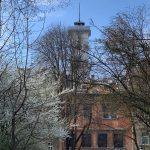
…właśnie przeszłam się na spacer po dzisiejszym słonecznym Lwowie. Pierwsze zdjęcie to widok lwowskiego parku z mojego okna i wieżyczki sali organowej.
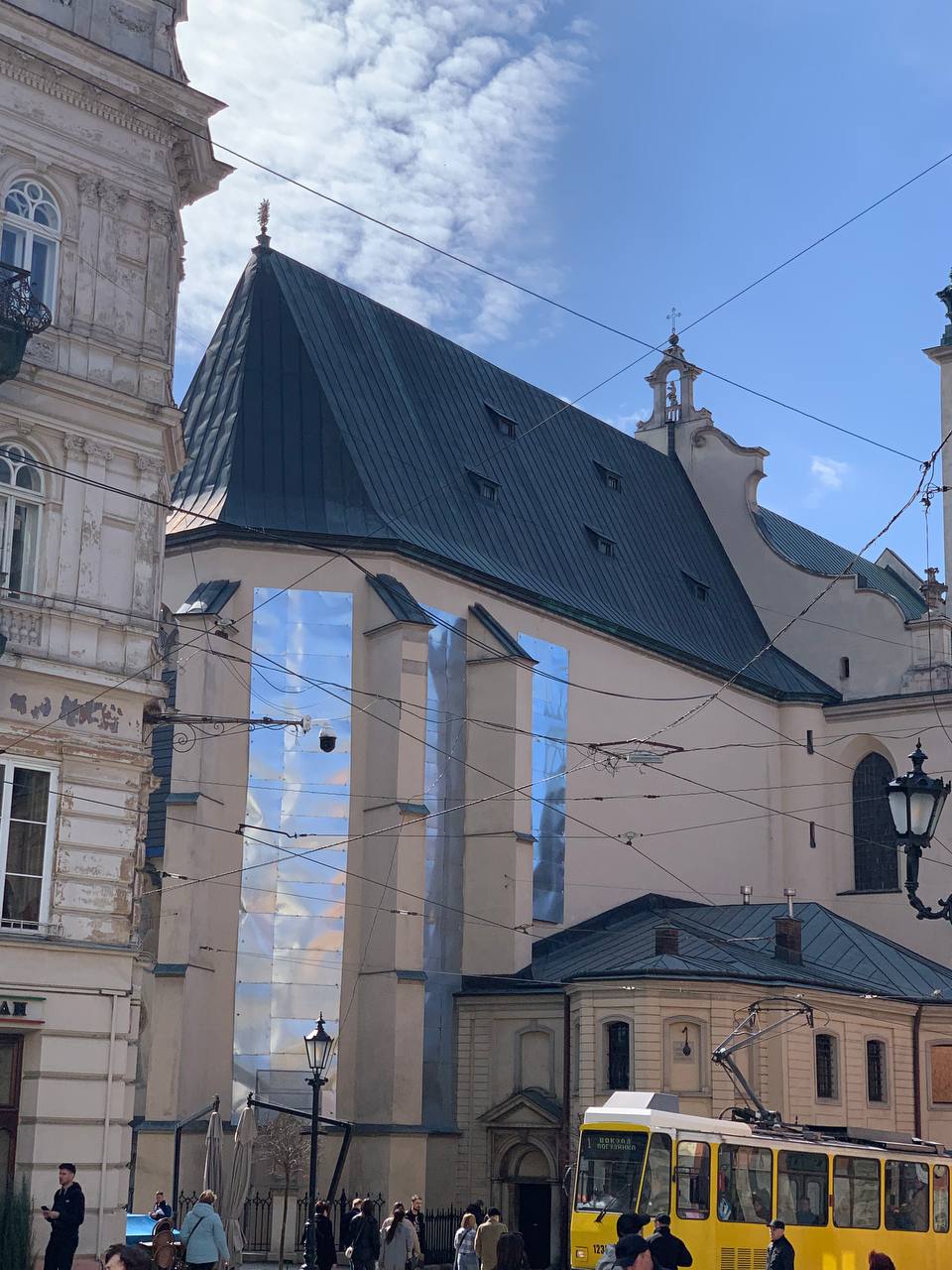
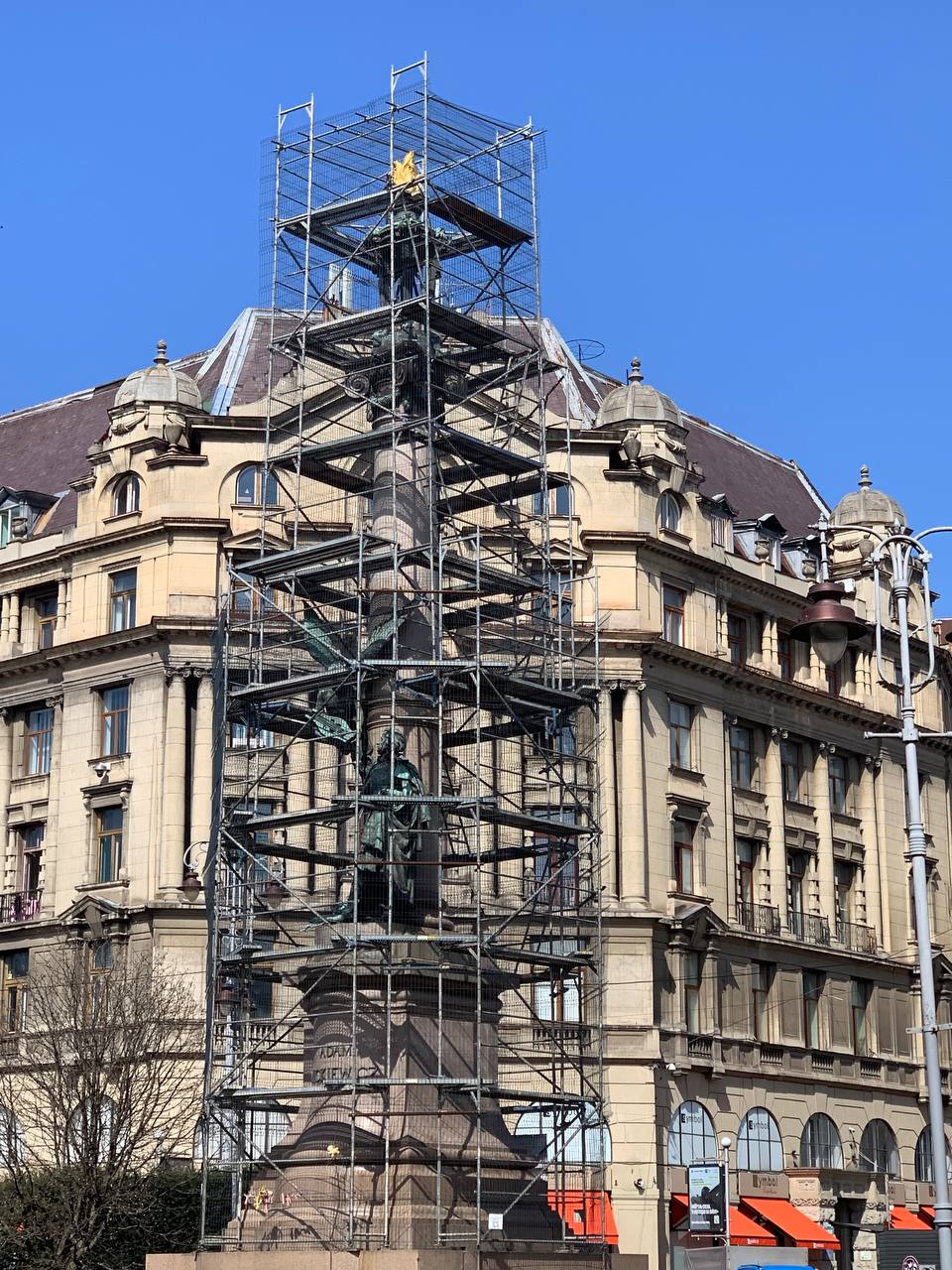
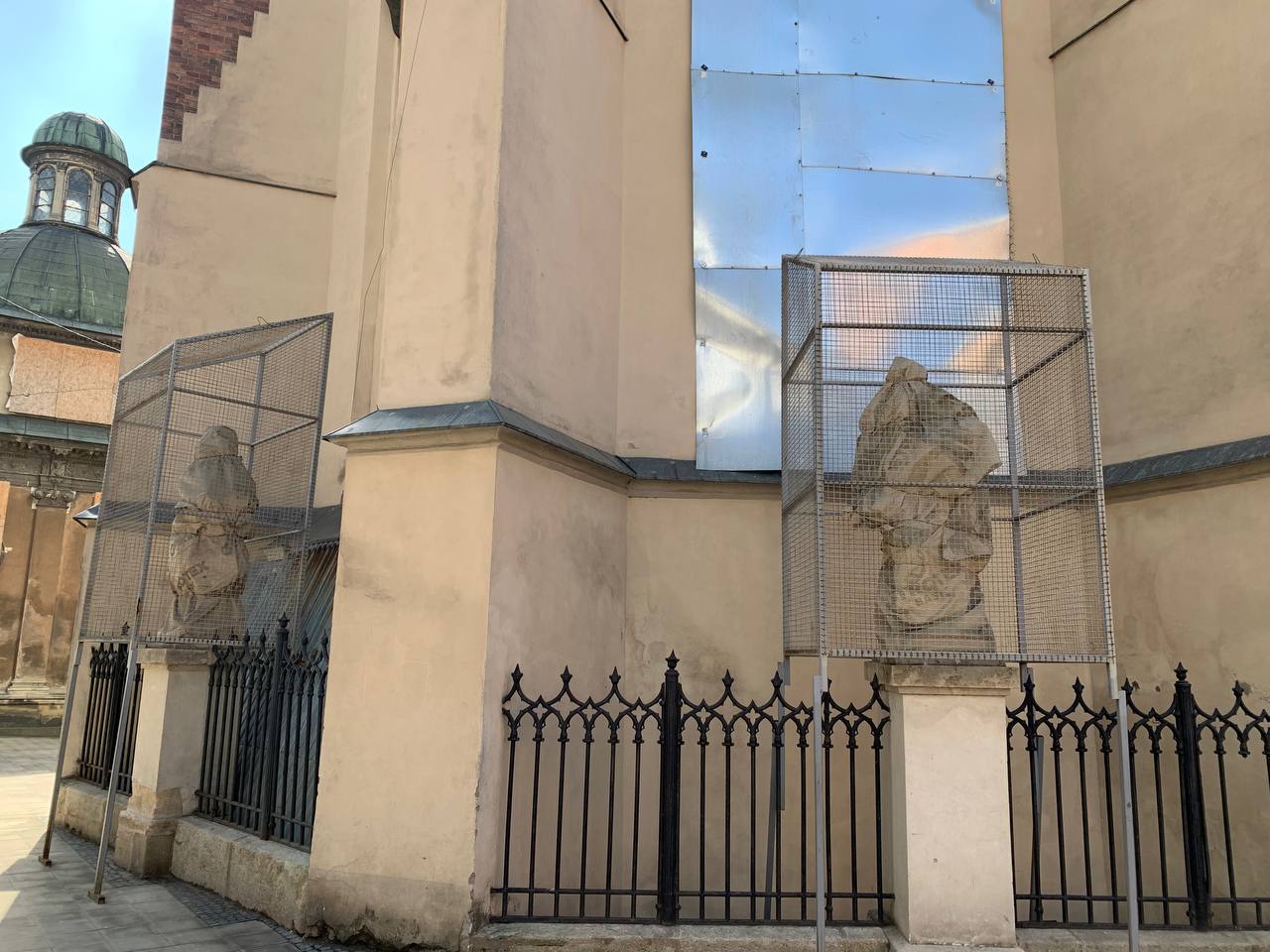
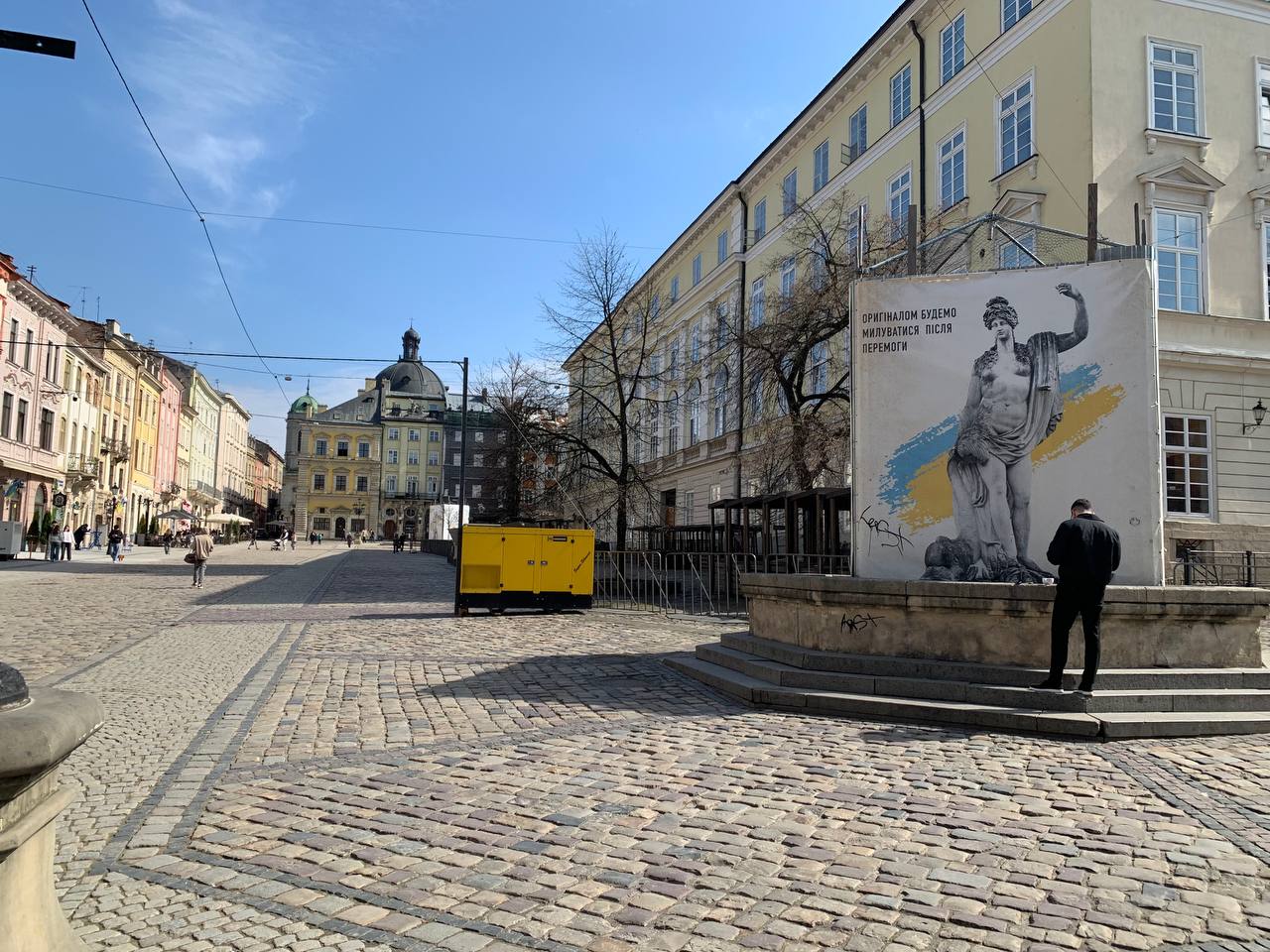
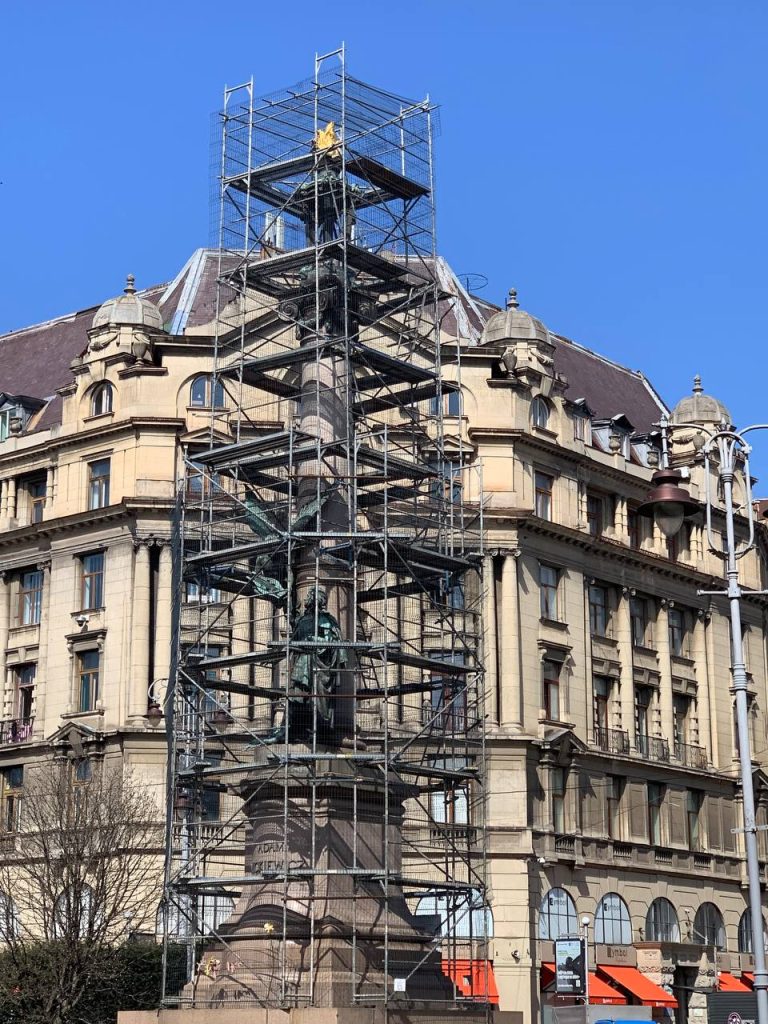
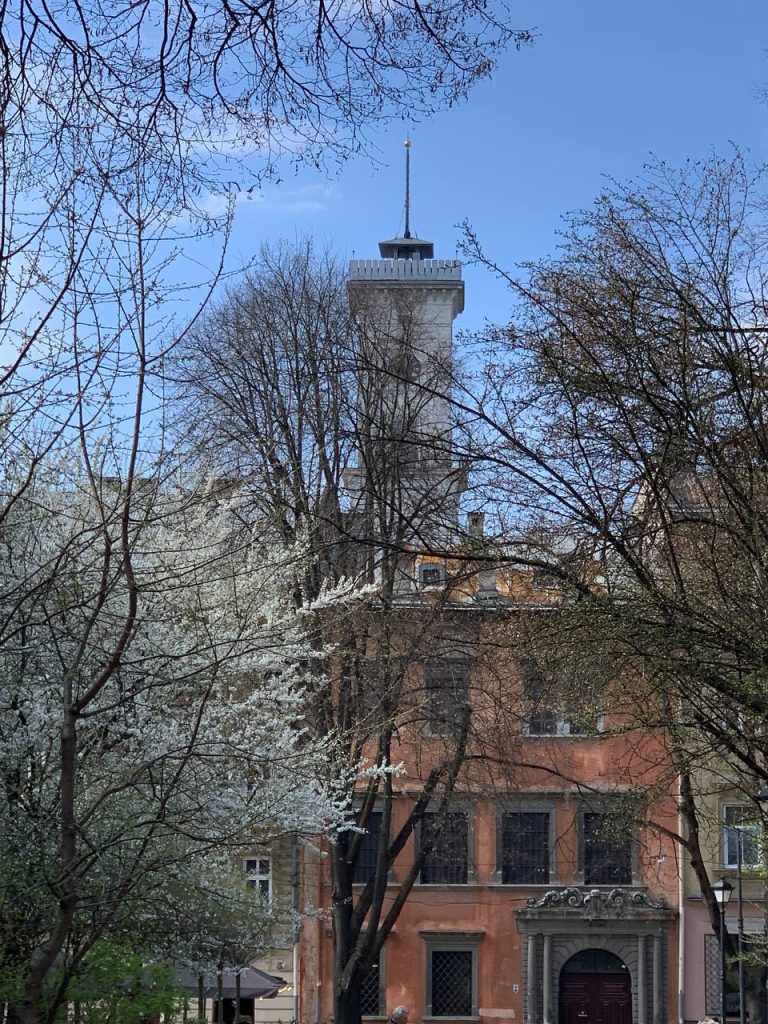
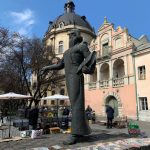
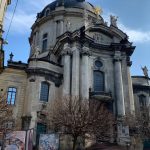
Kolejne zdjęcia — to piękno Lwowa w ochronnym opakowaniu. Pomnik Mickiewicza — schowaliśmy go niezawodnie przed wrogimi dronami. Na ochronnych pokryciach starożytnych rzeźb napisano, że będziemy się nimi zachwycać już po zwycięstwie. Niezawodnie zabezpieczone są też święte figury katedry katolickiej — to teraz zwykły miejski krajobraz.
Nataliia Romanyshyn, Lwów 3 kwietnia 2026
Cultural Aspects of Translation
20 March 2026
The lecture “Cultural Aspects of Translation,” delivered by Dr. Nataliia Romanyshyn, explored the complexities of translation as an intercultural practice. It addressed the challenges that arise when languages encode meanings, values, and cultural concepts in ways that resist direct equivalence, as well as the consequences of prioritizing either domestication or the preservation of cultural otherness in translation. The discussion also referred to the widely debated new Polish translation of Winnie-the-Pooh, which became a striking example of how translation choices can resonate far beyond the text itself.
The lecture presented translation as a multifaceted process that requires navigating cultural schemas, conceptual systems, and deeply embedded values carried by language. A central point of reference was Edward Hall’s cultural iceberg metaphor, which illustrates how only a small portion of culture is visible, while its deeper layers shape perception, interpretation, and categorization. These invisible dimensions play a decisive role in translation, influencing how meaning is constructed and negotiated across cultural boundaries.
This perspective was further developed through a series of literary examples demonstrating how symbolically charged concepts rooted in one culture often resist direct transfer into another. Such cases confront the translator with the need to balance fidelity to the source text with sensitivity to the target audience. The comparison of two Polish translations of A.A. Milne’s Winnie-the-Pooh highlighted the interplay between Hall’s iceberg model and Vermeer’s Skopos theory, showing that readers’ responses are largely shaped by underlying cultural norms, associations, and collective expectations. The lecture ultimately emphasized the dynamic tension between authorial intent and cultural adaptation, as well as the factors that shape translational decision-making.
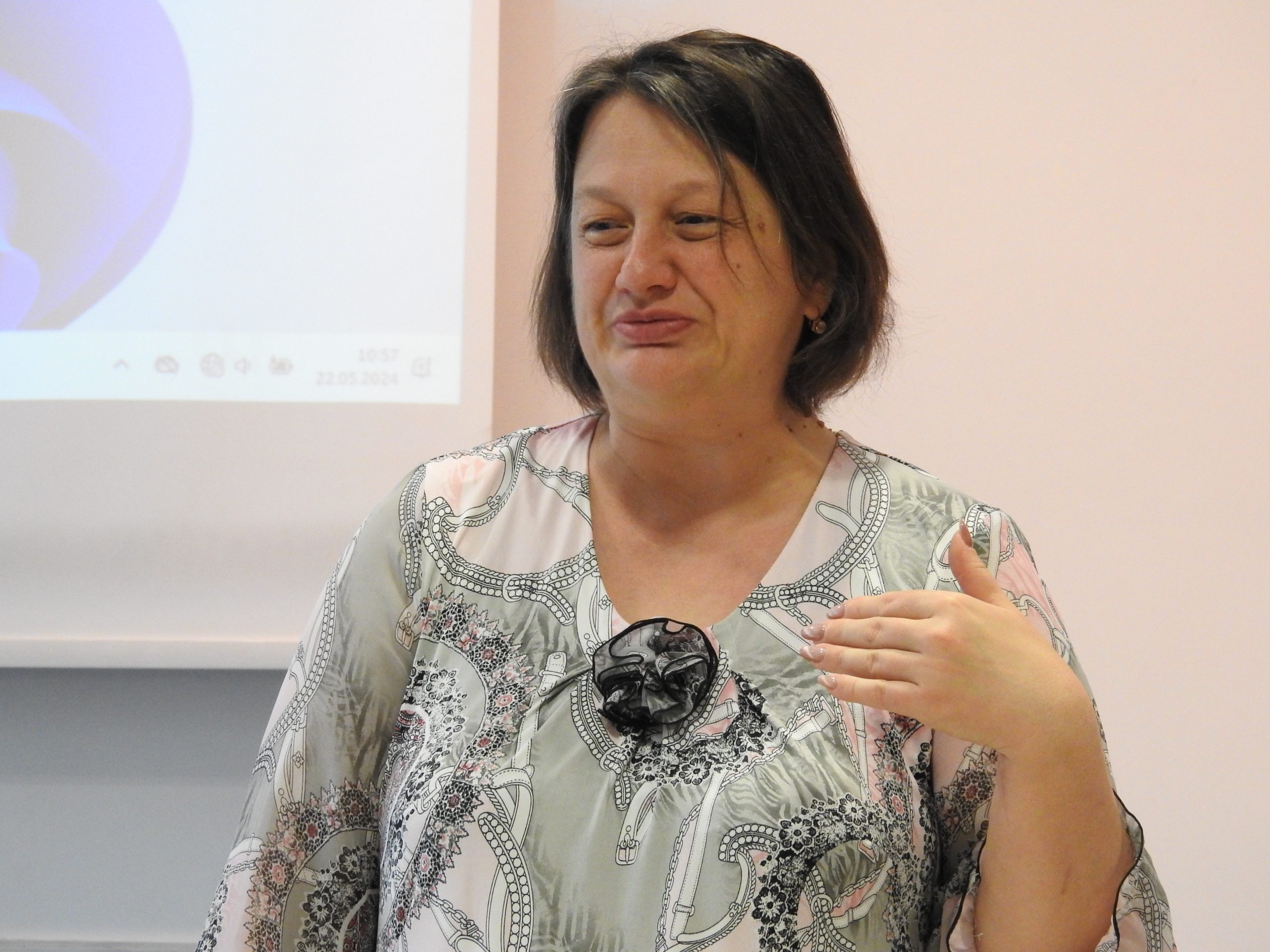
The History of Ukrainian Translation as the History of Language Development and Nation Building
27 March 2026
The lecture traced the history of Ukrainian translation from the earliest manuscript culture of Kyivan Rus—shaped by the mission of Cyril and Methodius and the coexistence of Church Slavonic and the vernacular—through the remarkable intellectual achievements of the Reformation and Baroque periods. Particular attention was devoted to two landmark monuments of early Ukrainian culture: the Peresopnytsia Gospel (1556–1561), which brought Scripture into the living vernacular and laid the foundations for the modern Ukrainian literary language, and the Ostroh Bible (1581), a scholarly achievement comparable in ambition and method to the great Bible translations of the European Renaissance and Reformation, including the Polish Brest Bible and Jakub Wujek’s Bible of the same era.
At the heart of the lecture lay a more urgent narrative: Ukrainian translation as an integral part of the struggle for cultural and national survival. Under successive imperial bans—Peter I’s decree of 1720, the Valuev Circular of 1863, and Alexander II’s Ems Ukaz of 1876—the Ukrainian language was systematically suppressed. Yet it was precisely this period that witnessed the emergence of outstanding Ukrainian translations of European masterpieces and the formation of the canon of Ukrainian literary tradition. In the 19th and early 20th centuries, figures such as Panteleimon Kulish, Ivan Franko, Lesya Ukrainka, and Olha Kobylianska produced translations of both classical and contemporary world literature that stood as independent literary achievements. These works enriched the Ukrainian language and firmly positioned it within the European literary tradition. For a Polish audience, Dr. Romanyshyn drew a meaningful parallel: these figures held a place in Ukrainian culture comparable to that of Mickiewicz, Orzeszkowa, or Żeromski in Poland. They were the voices through which a nation recognized itself, shaped its literary language, and entered the European intellectual conversation. Notably, Polish and Ukrainian literary cultures were deeply intertwined in this process: Kulish translated Mickiewicz, Orzeszkowa translated Shevchenko and Franko, and Franko himself wrote extensively in Polish—together forming a rich tradition of mutual literary exchange.
The 20th century brought this history into the modern era, marked by both extraordinary achievements and profound tragedies. It encompassed the brilliance and tragic fate of the “Executed Renaissance,” the later revival of literary translation as a form of cultural affirmation, and the post-independence flourishing of translation activity, including new translations of world classics freed from ideological constraints. The lecture concluded by presenting translation as a dynamic, technologically advanced, and internationally engaged discipline, in which Ukrainian voices continued to shape—and be shaped by—world literature.

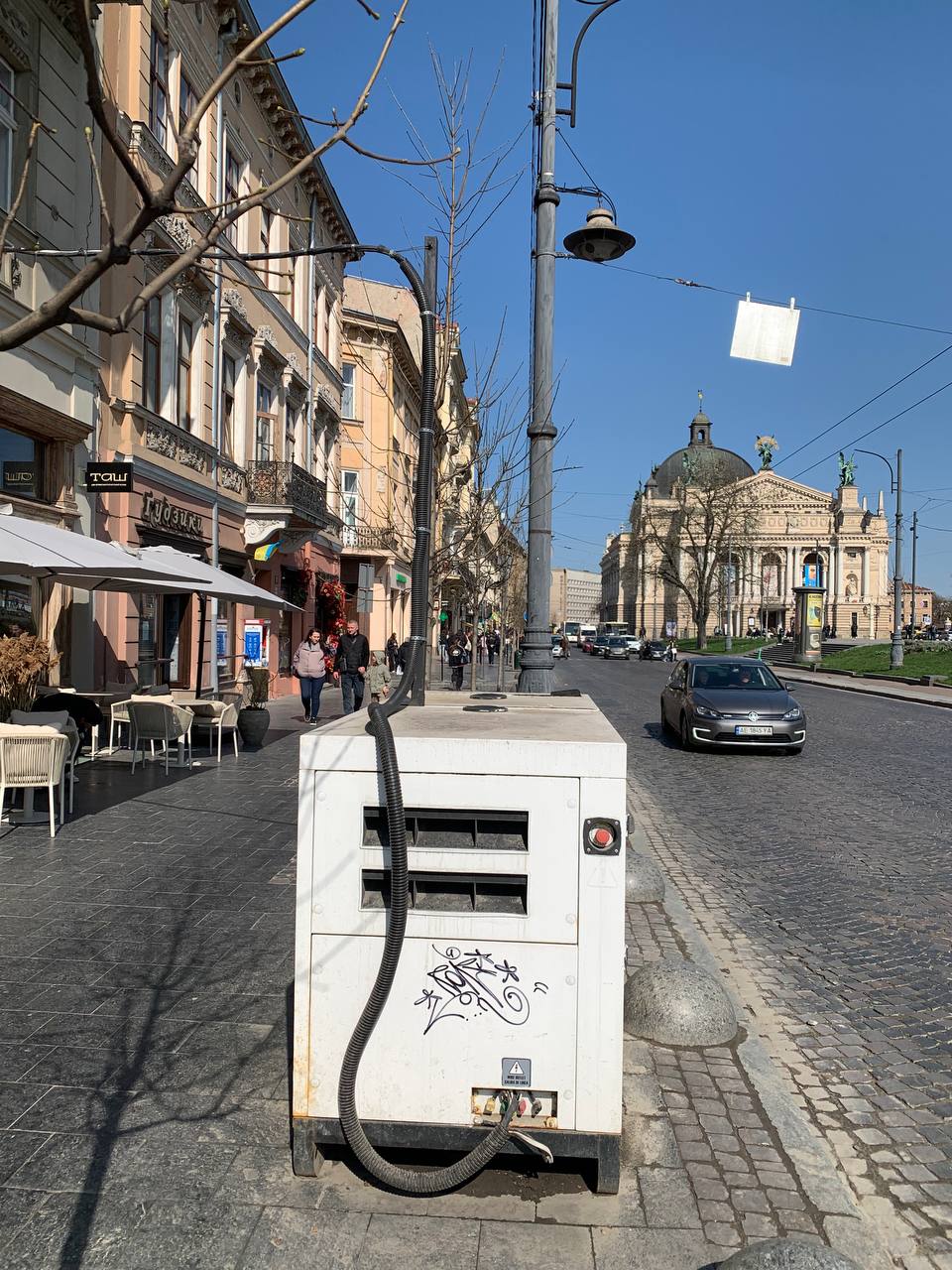
Milczą potężne generatory, odpoczywają — ratowały nas przez całą zimę przed zimnem i ciemnością. Stały się już zwykłym elementem miejskiego krajobrazu.
Nataliia Romanyshyn, Lwów 3 kwietnia 2026
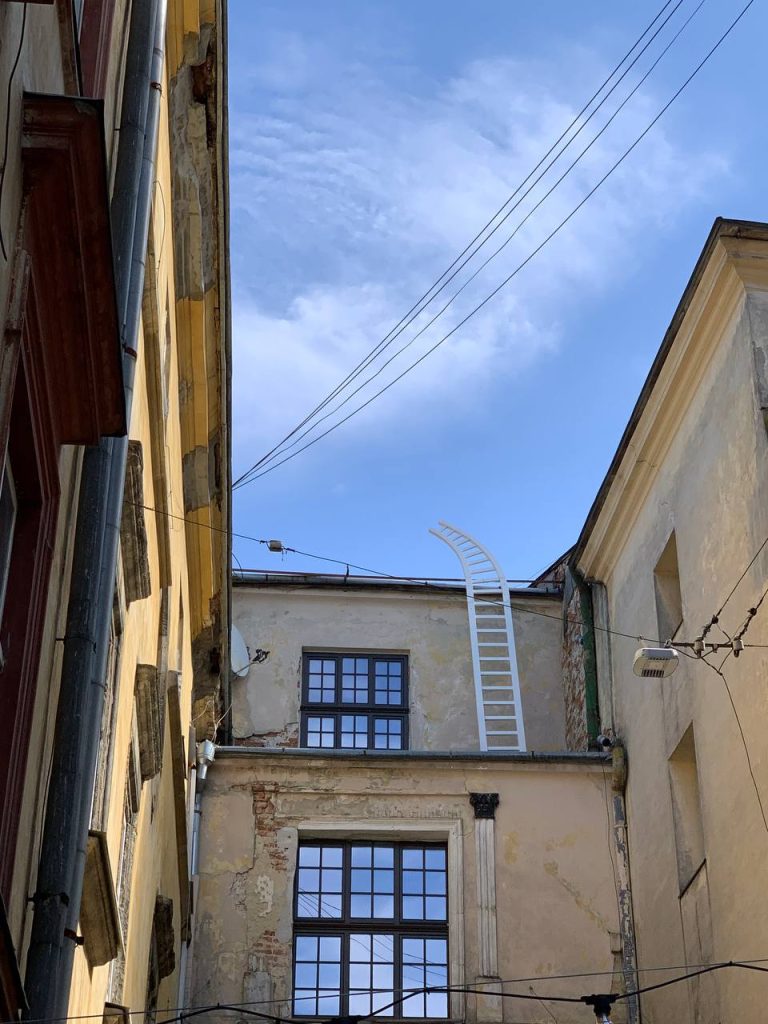
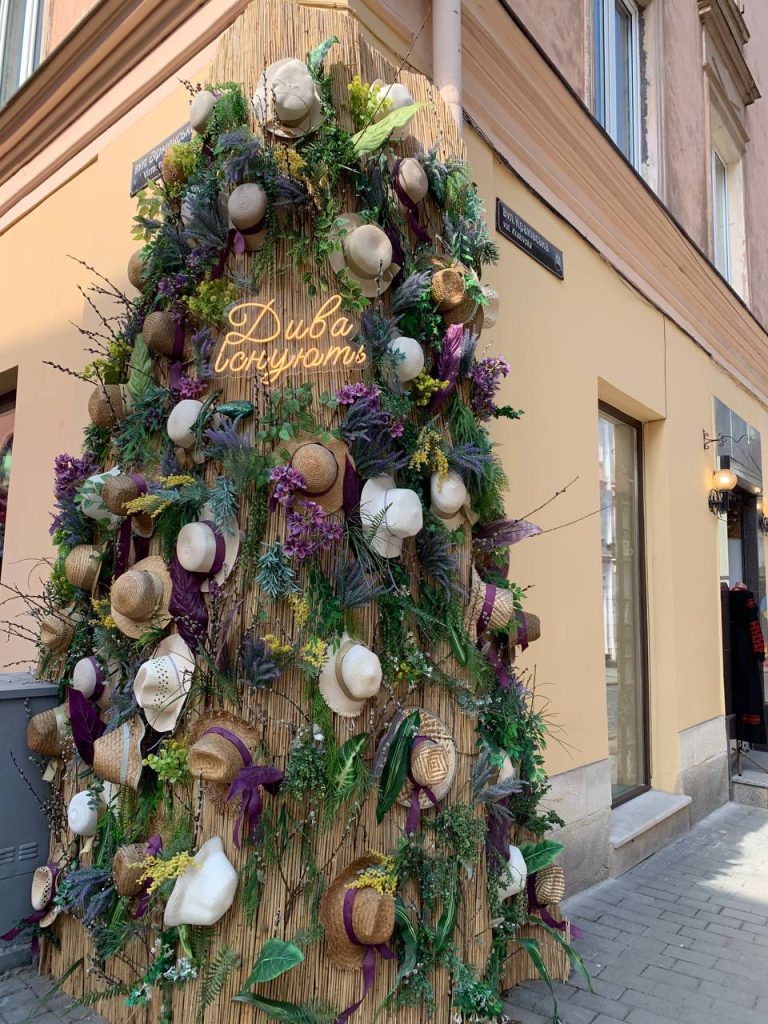
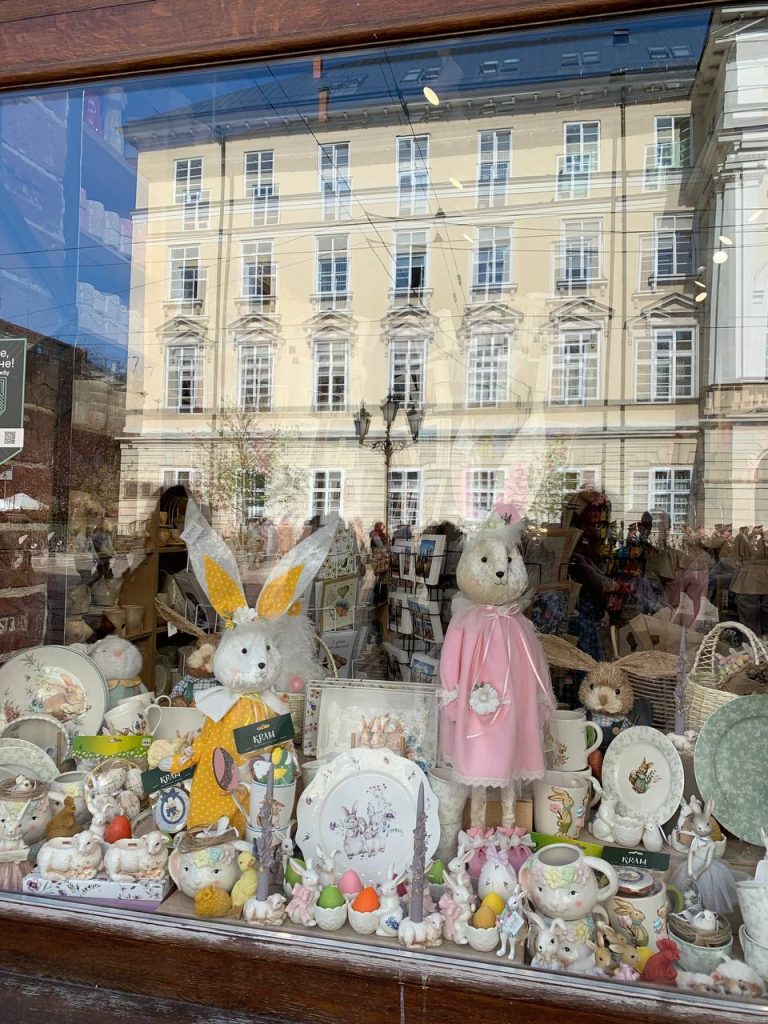
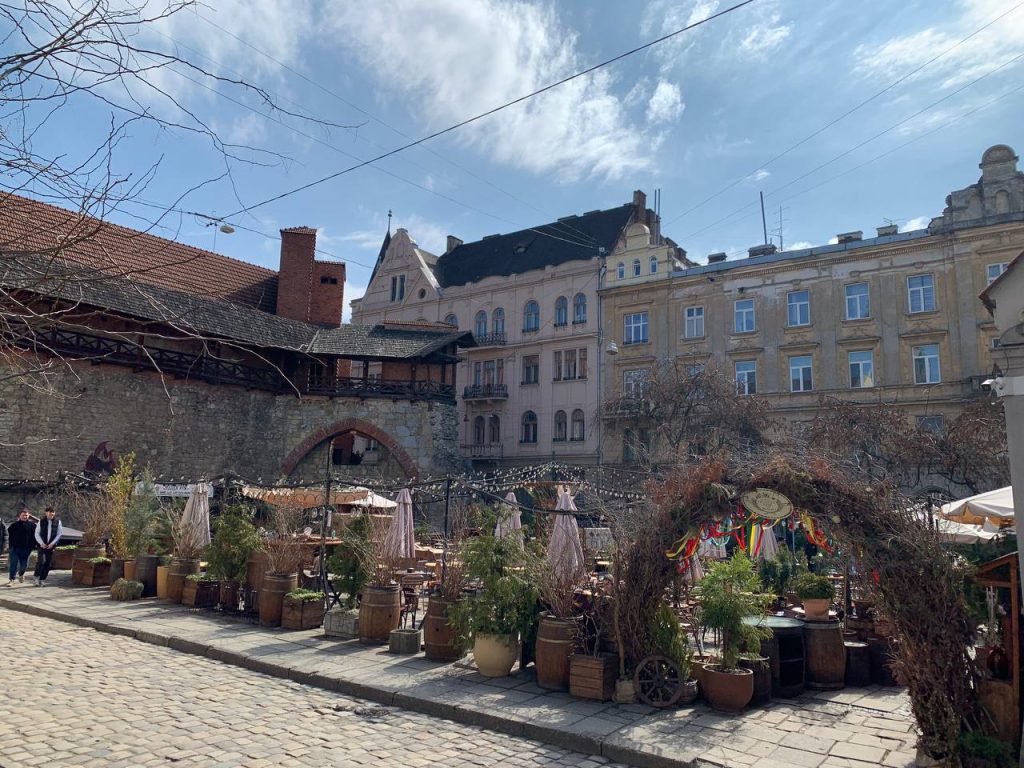
Mimo wszystko Lwów nie traci swojego uroku, a wielkanocne zajączki z niecierpliwością czekają na święto. A dla odważnych i zuchwałych — drabina do samego nieba.
Z najlepszymi życzeniami z okazji Świąt Wielkanocnych. Niech te dni przyniosą chwile wytchnienia, radości i nadziei — której nam tu, we Lwowie, nigdy nie brakuje.Nataliia Romanyshyn, Lwów 3 kwietnia 2026
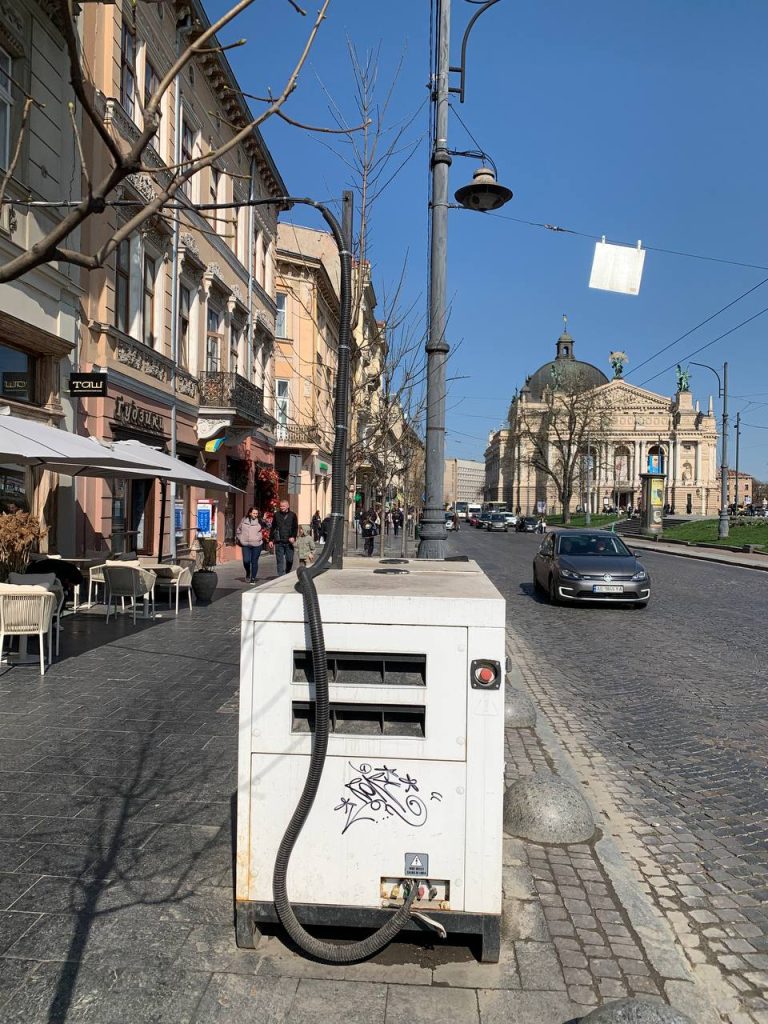
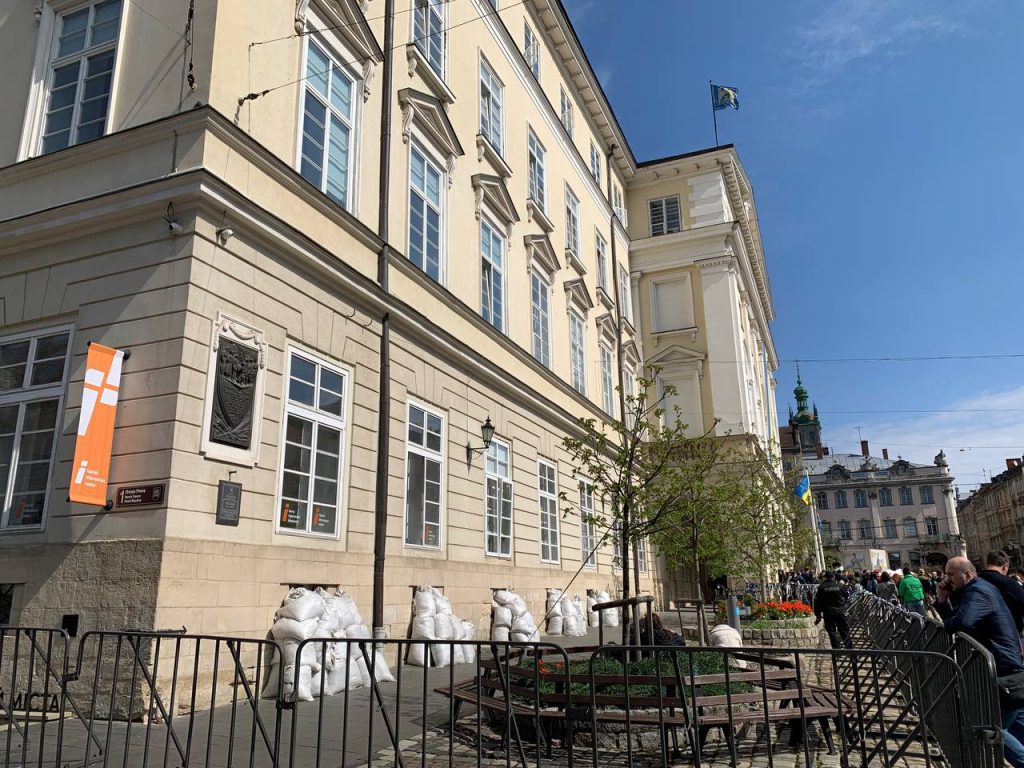
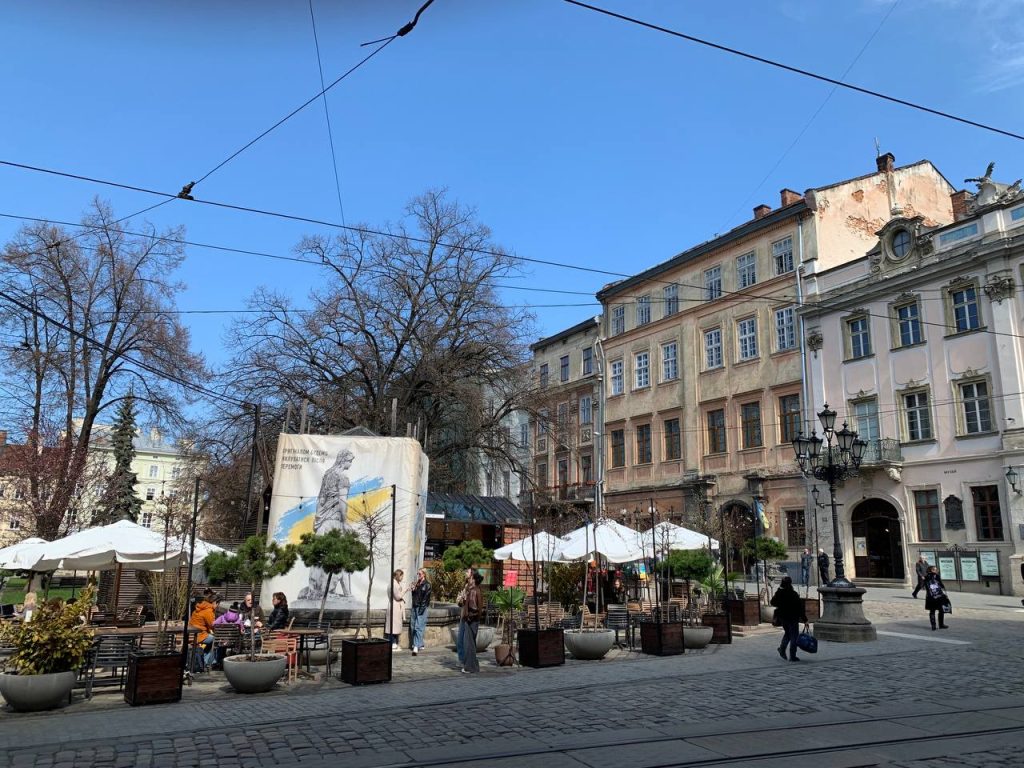
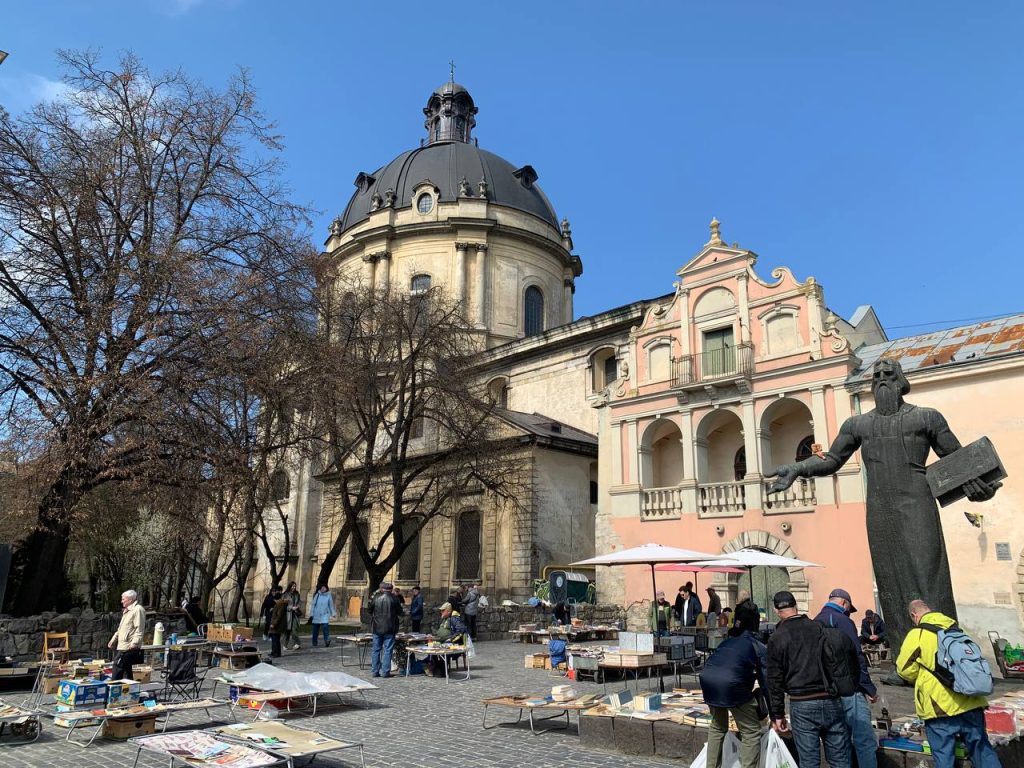
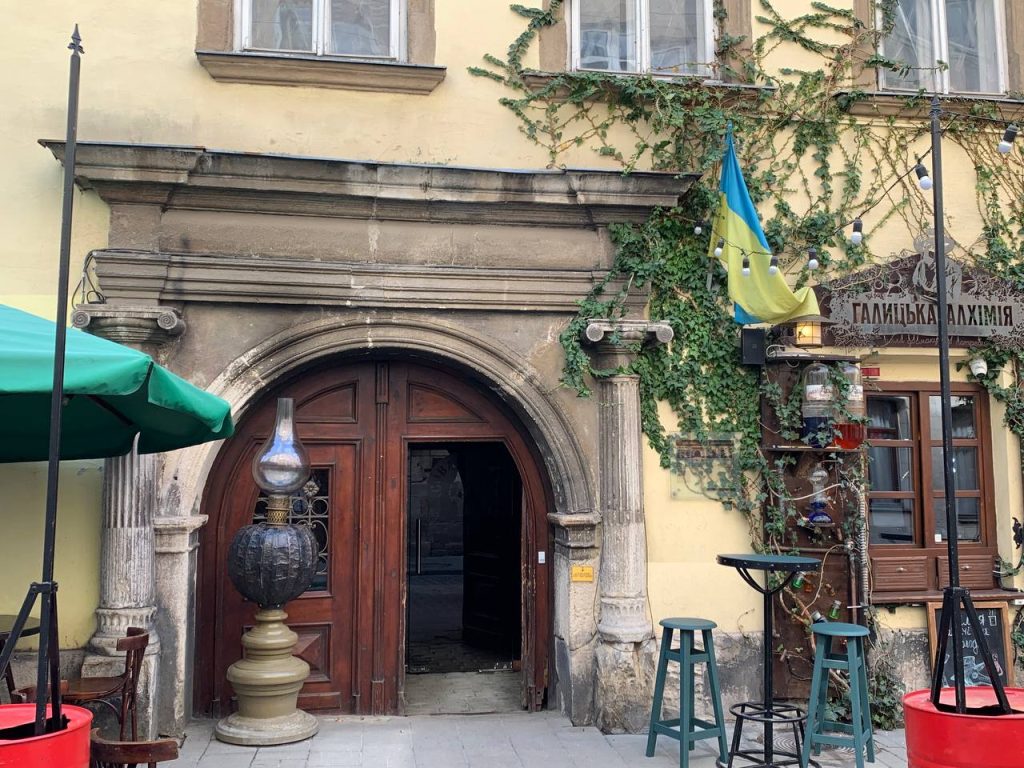
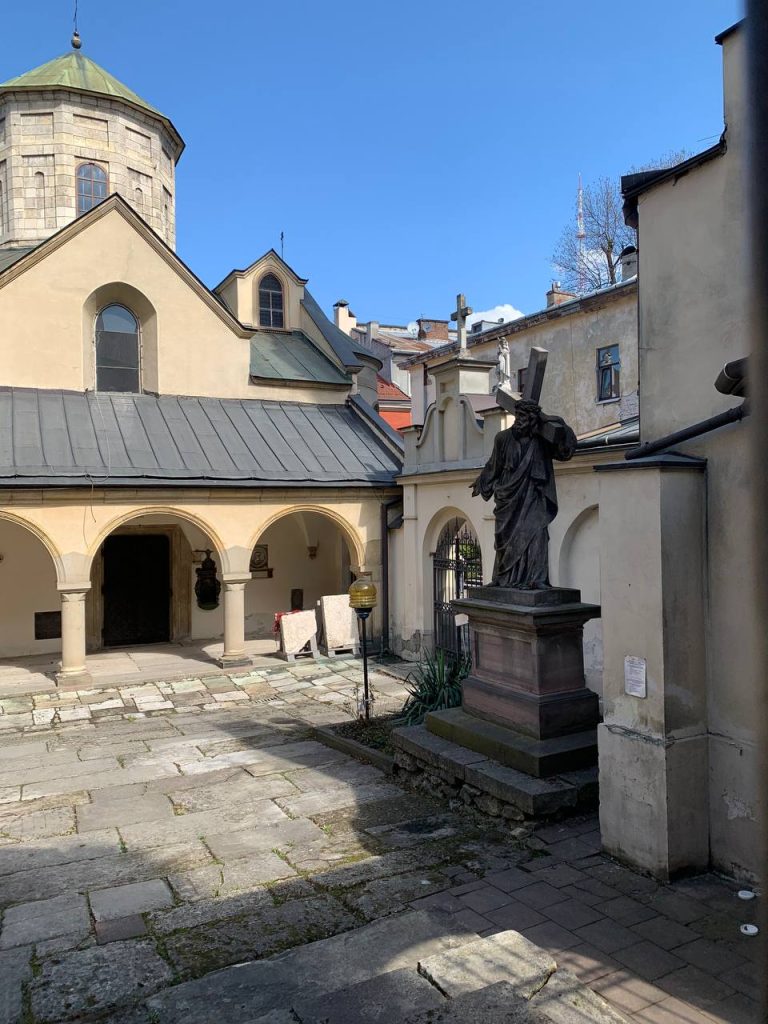
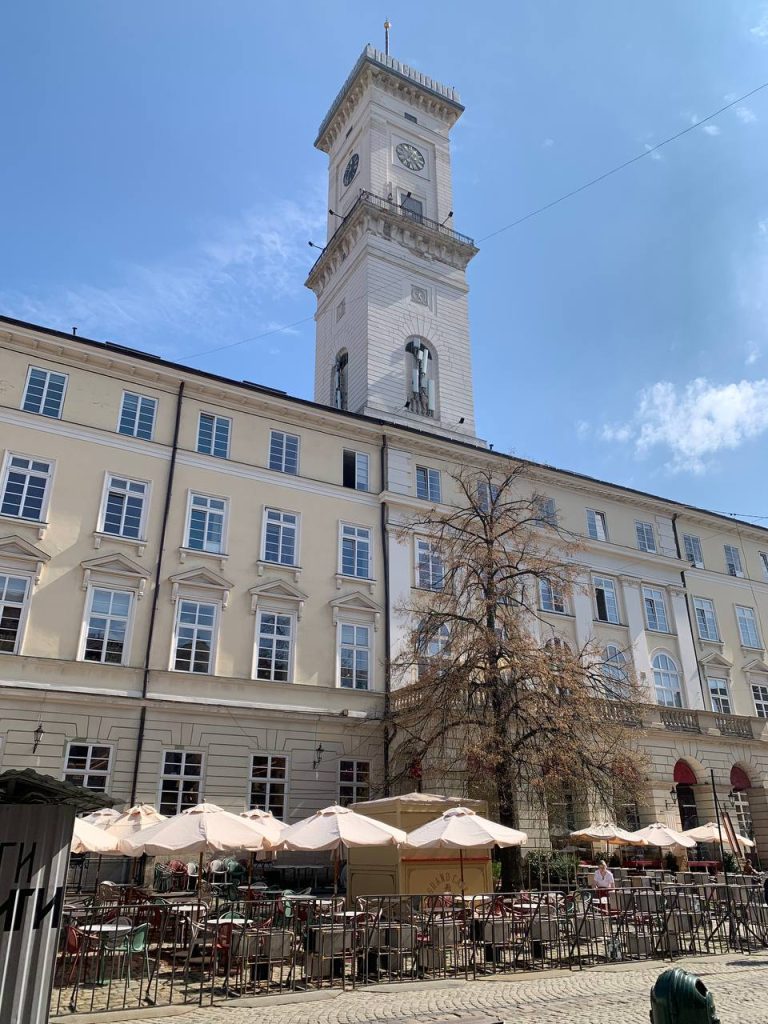
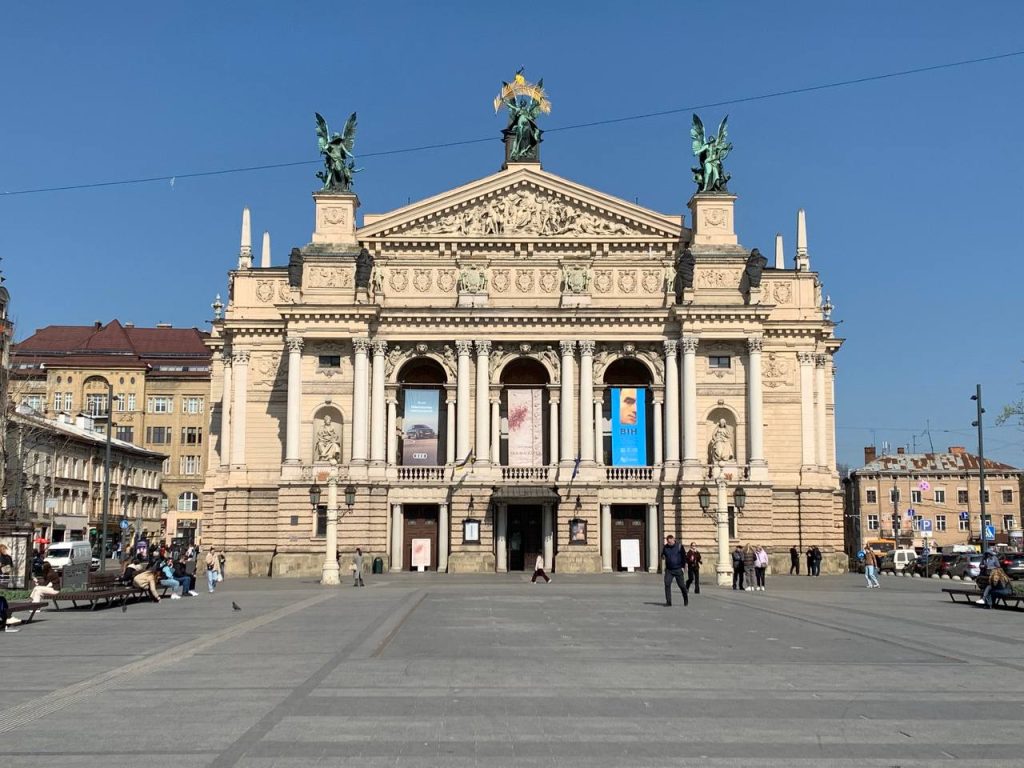
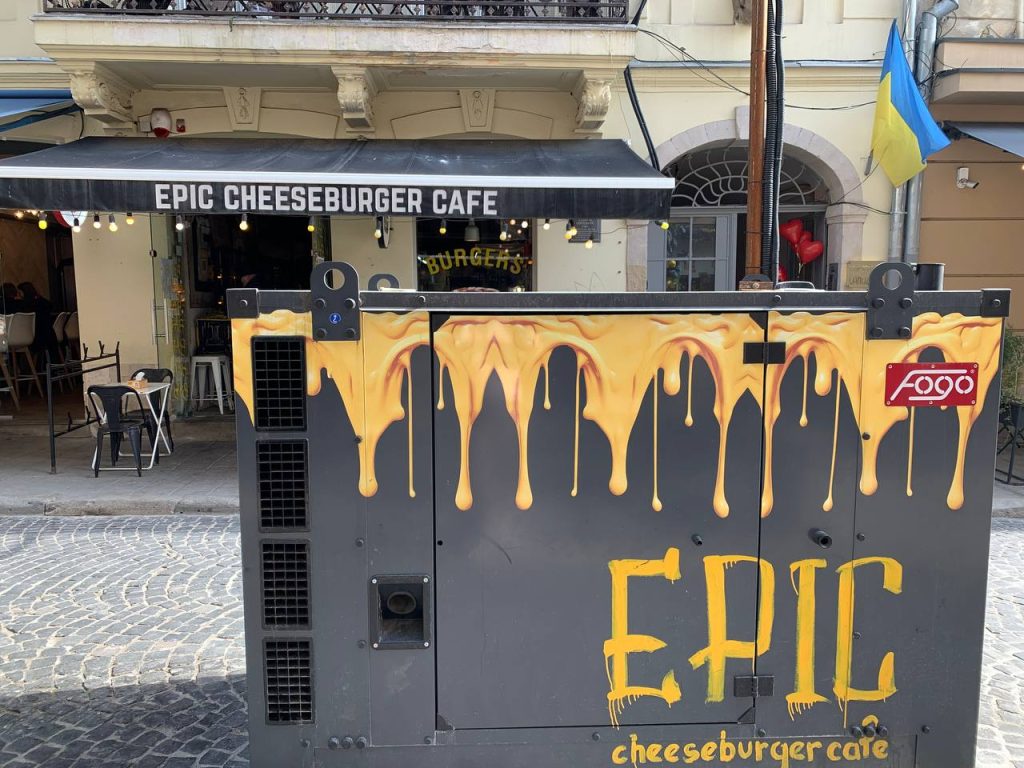
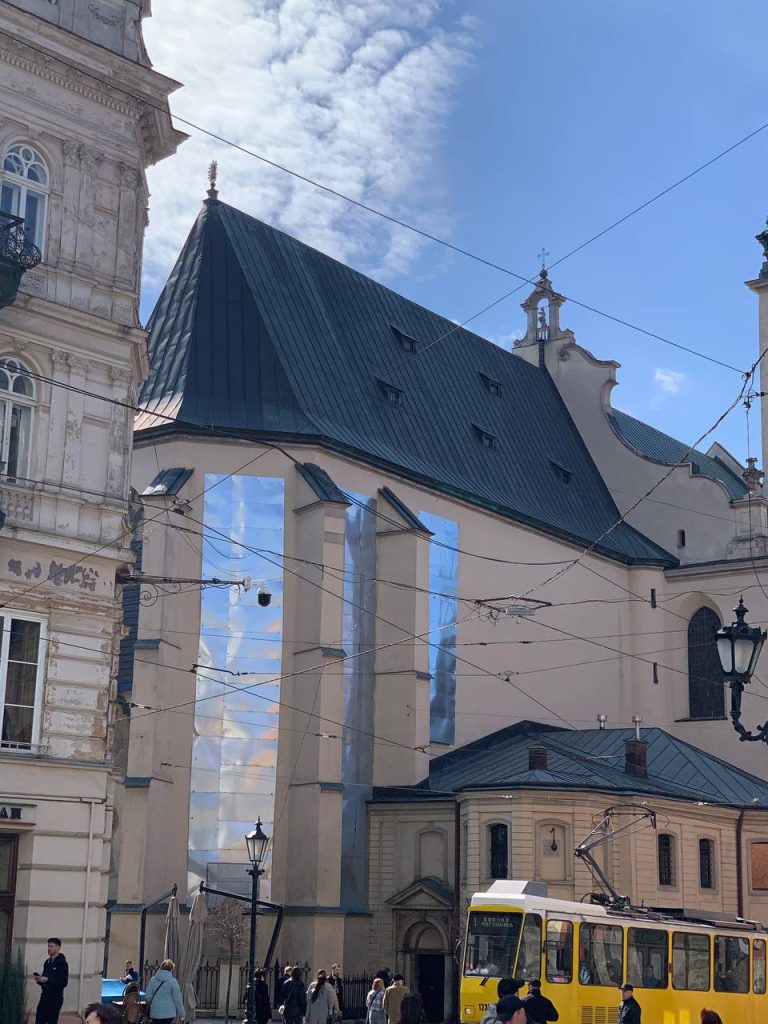
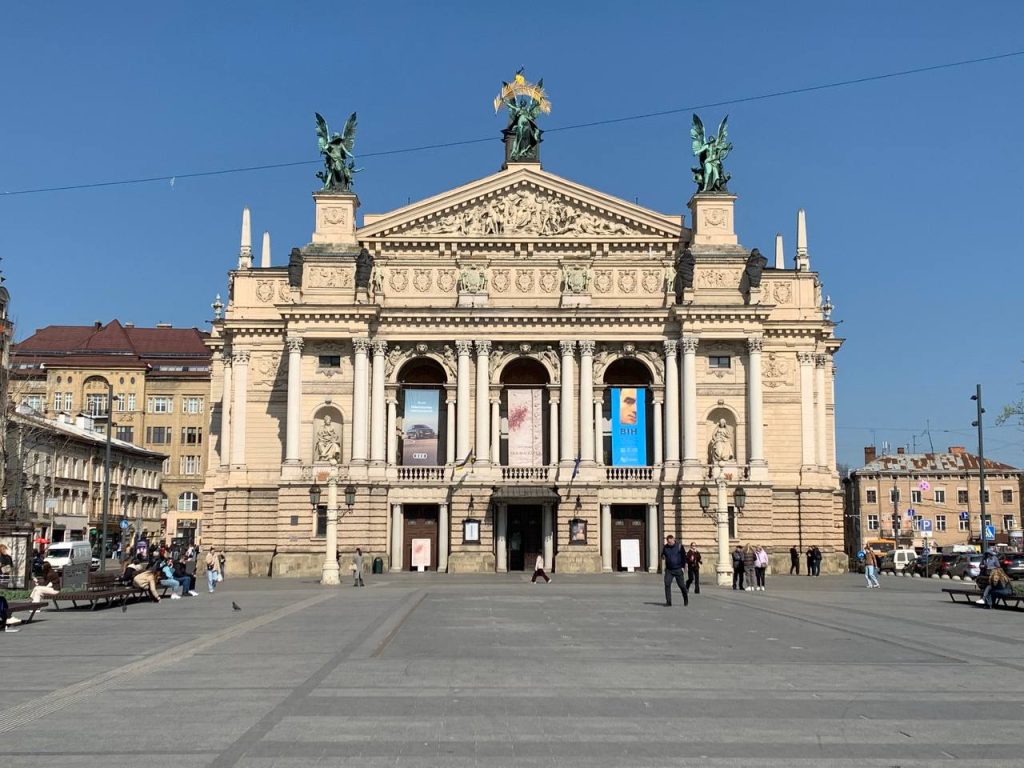
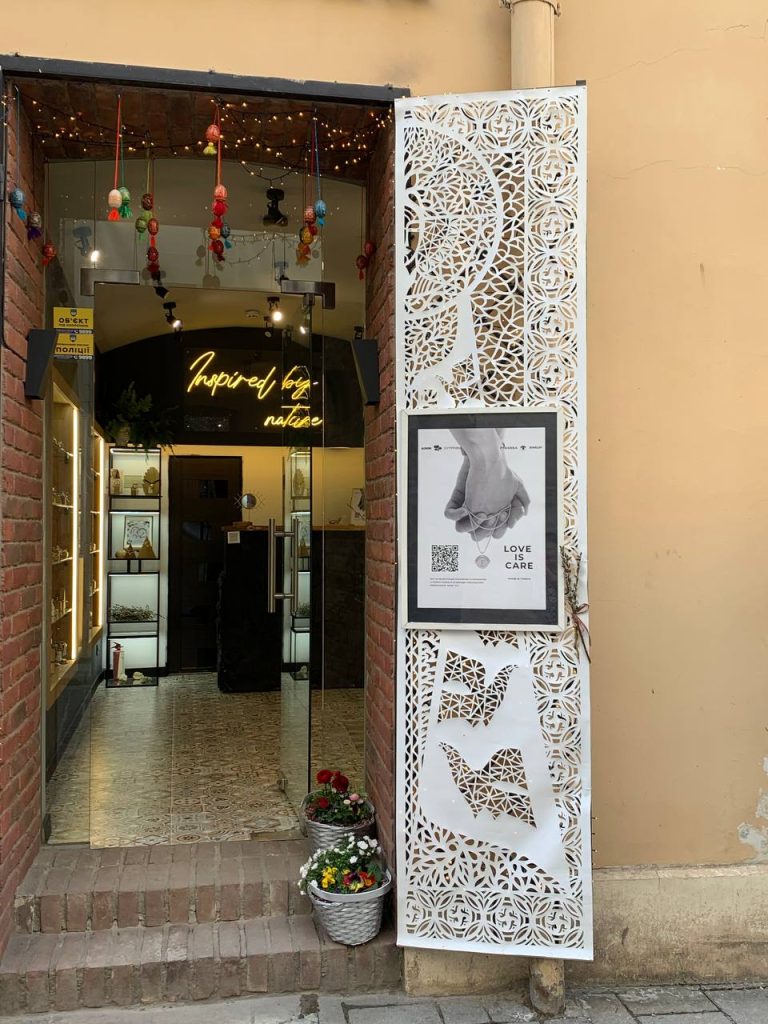
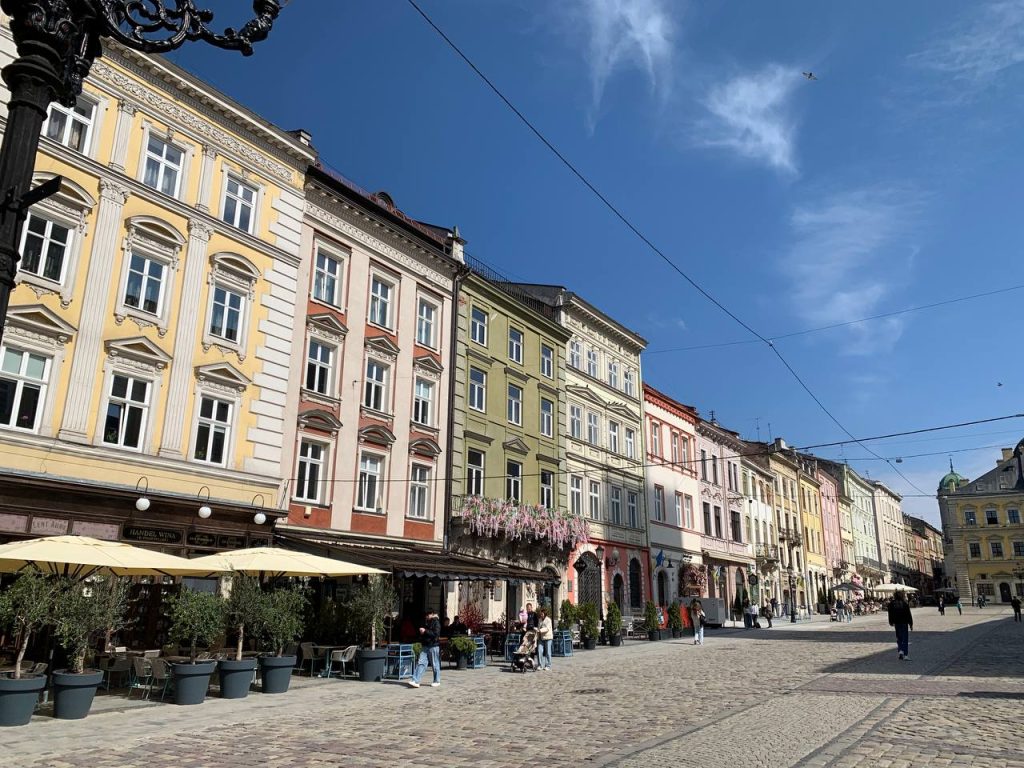
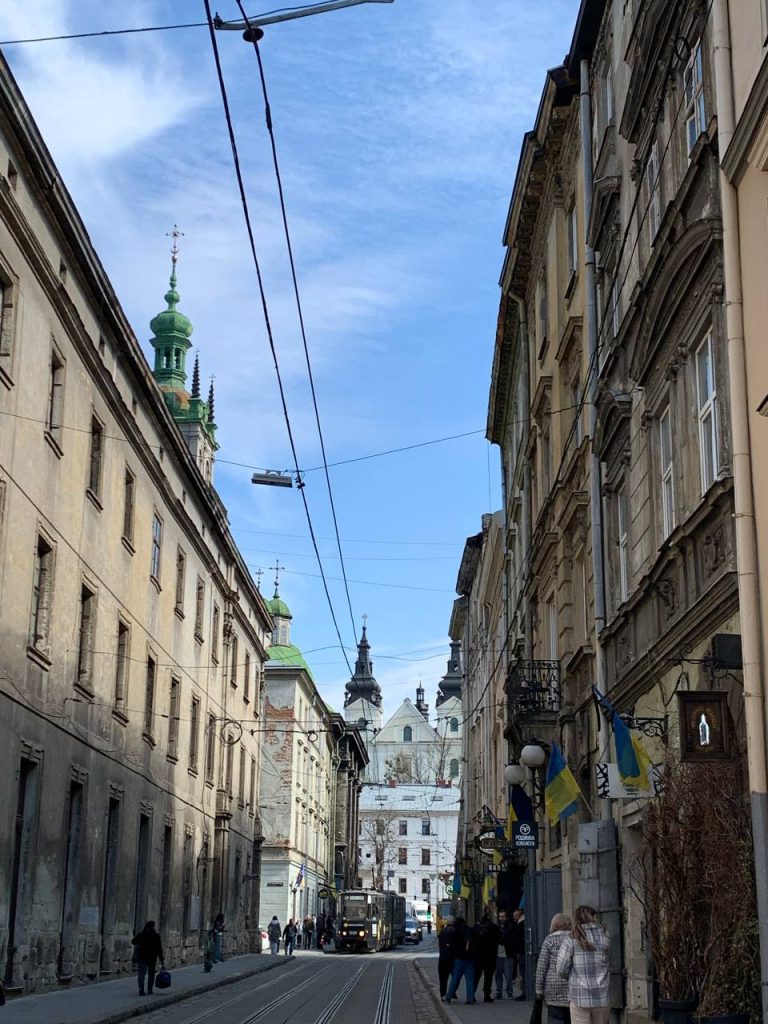
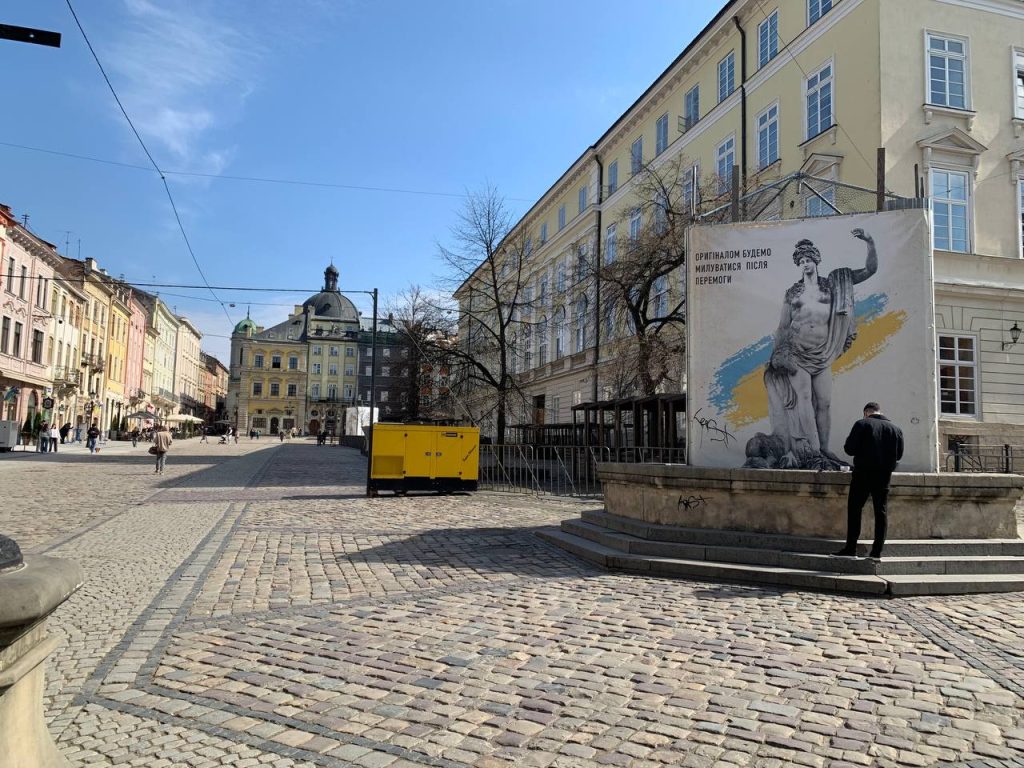
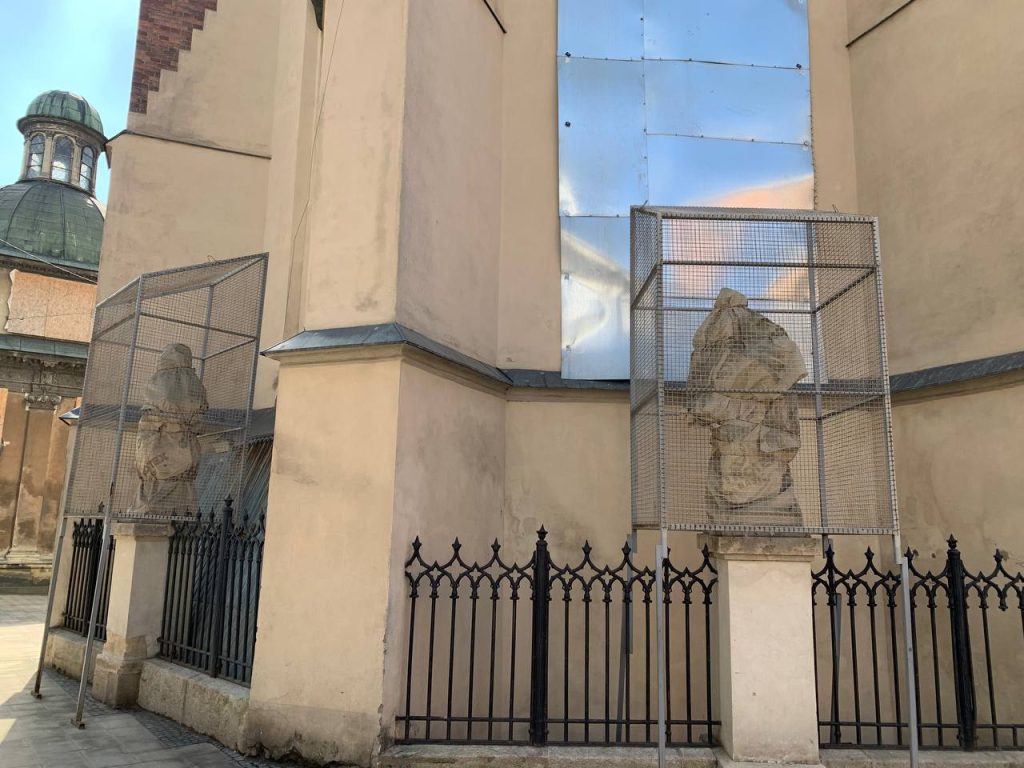
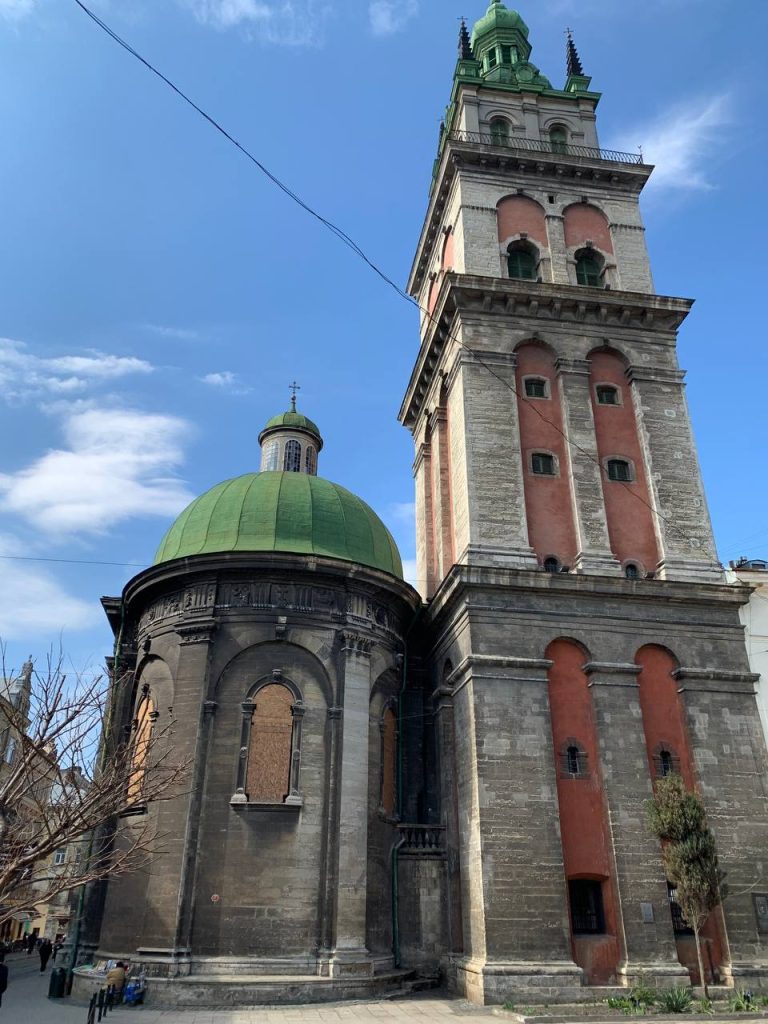
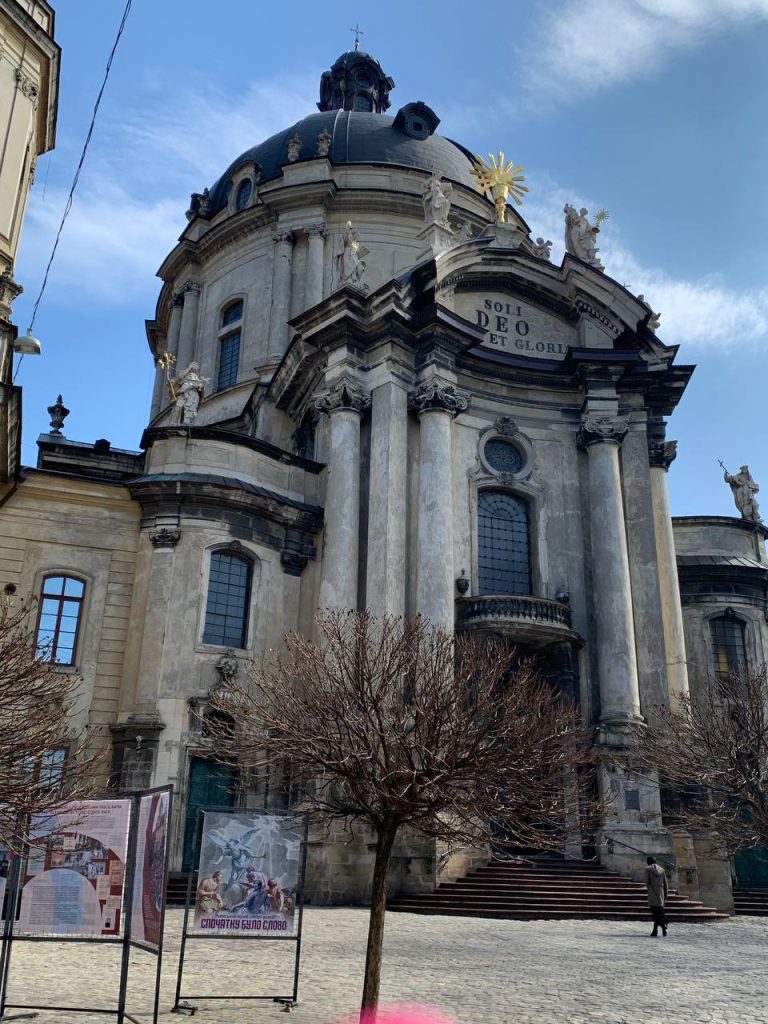
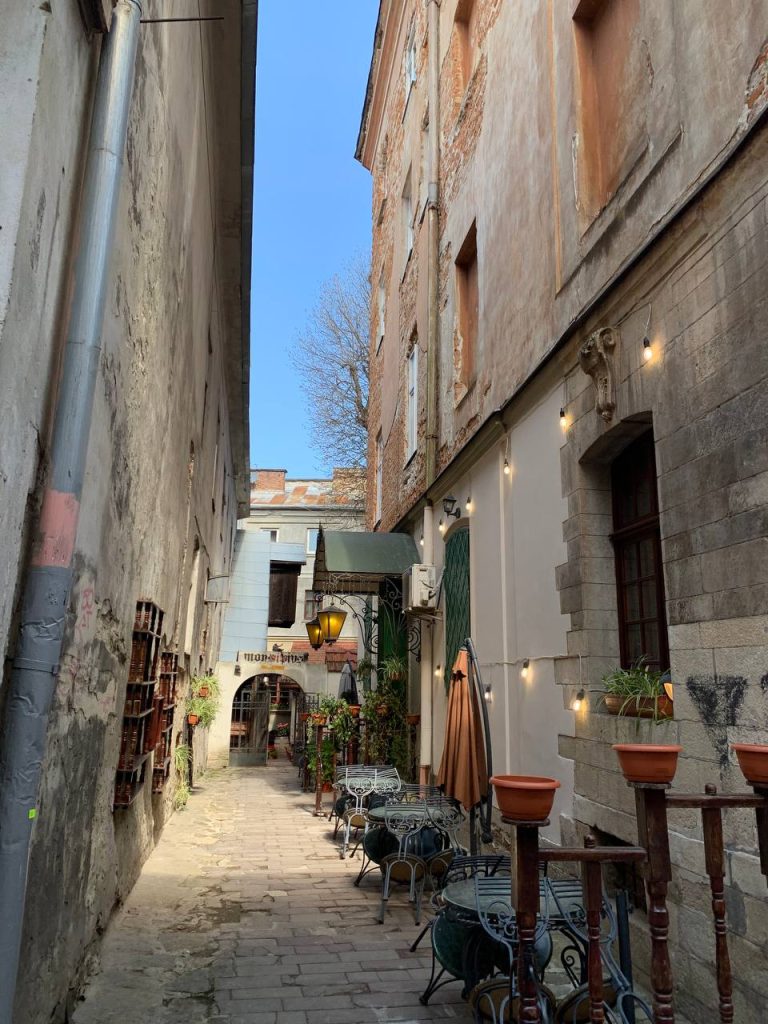
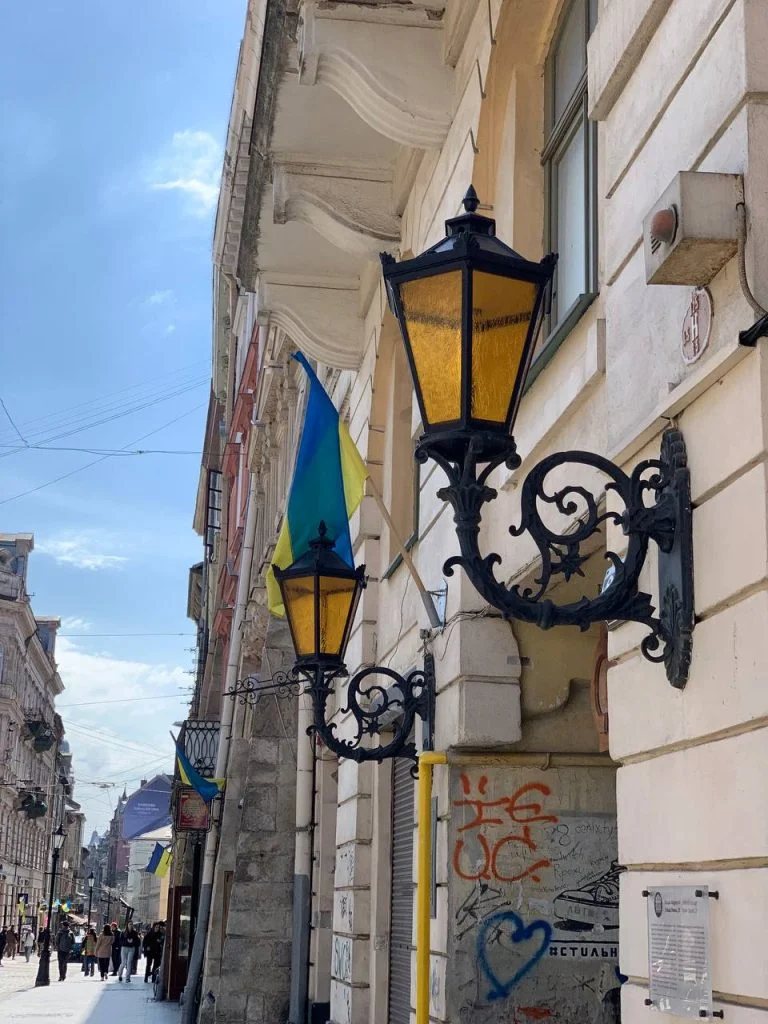
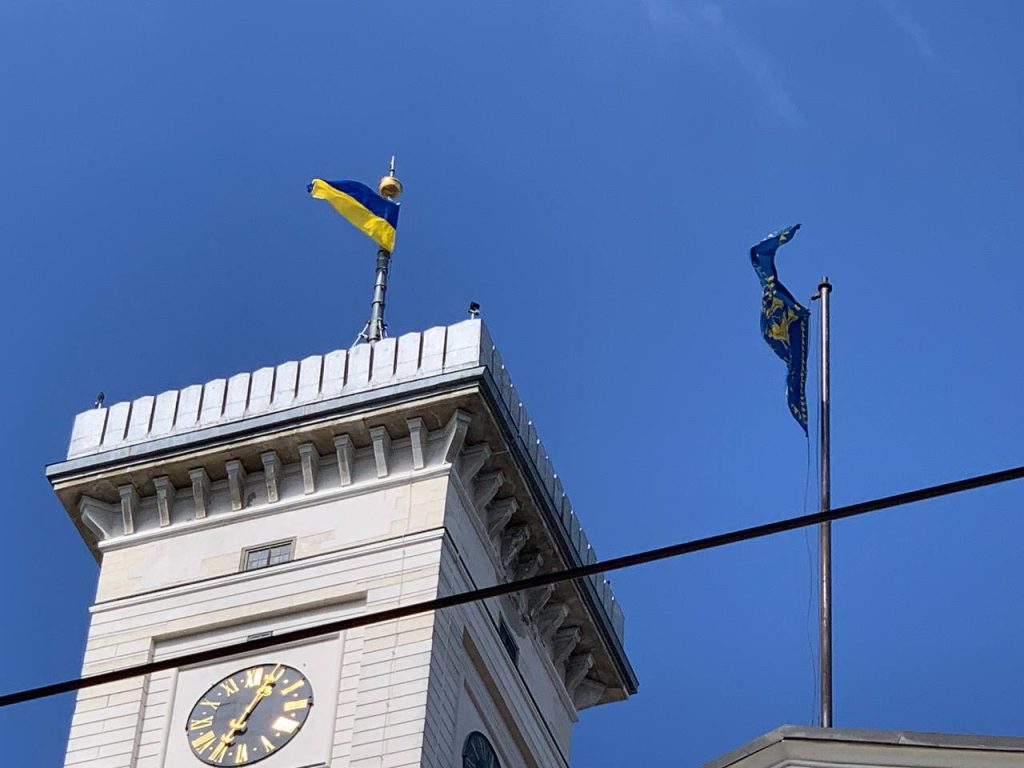



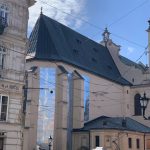


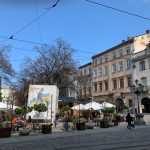
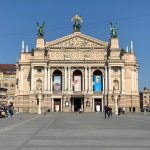
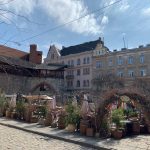

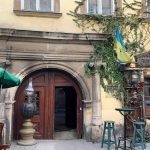



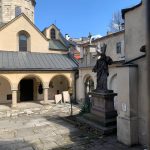

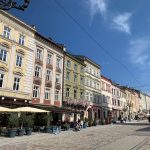
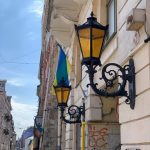
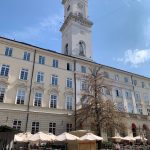


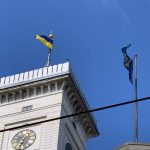
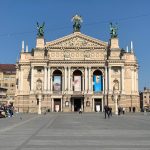

Autorka tekstu i spaceru: Nataliia Romanyshyn
Autorką nieopisanych zdjęć jest Nataliia Romanyshyn. Zdjęcia zostały wykonane dziś, tj. 3 kwietnia 2026 r. we Lwowie w Ukrainie.
Dodane przez M.P.


