
On November 7th, 2025, as a part of the ,,BEYOND LANGUAGE” classes, KMSI students participated in a lecture held by an expert in the topic of linguistics – Hanna Stryj – entitled ,,Cultural and historical outline of South Korea and North Korea.” The lecture provided a wide-ranging framework that allowed to contextualize the historical, cultural and linguistic differences between the two countries, and also an overview of the current political issues taking place in South Korea.
As an introduction to this broad topic, the lecturer brought up the etymology of the word only used by non-natives to the peninsula —”Korea,” which came from the kingdom of 고려 (Goryeo) that ruled over the peninsula from 918 to 1392, and was probably spread by foreign merchants across Eurasia, resulting in the nation being known under this term. The speaker emphasized the differences in the terms that the Koreans use for both their nation and the neighbouring one, as well as pointed out that they reflect deeper historical and ideological differences.
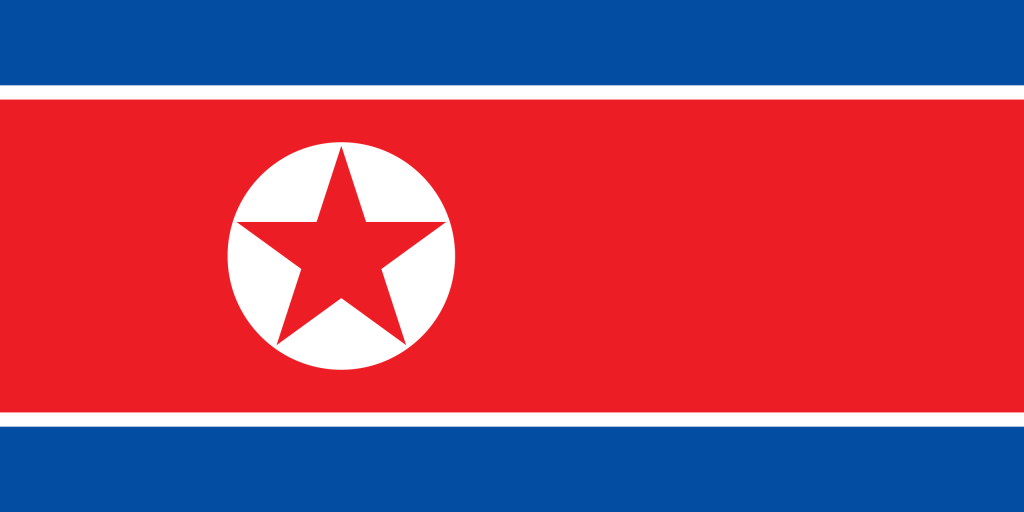
In internal discourse, citizens of North Korea (officially called the Democratic People’s Republic of Korea) refer to their state as 조선 (Joseon)—a designation derived from the historical Joseon dynasty, which governed the Korean Peninsula for several centuries.
By contrast, South Koreans commonly employ the term 북한 (Pukhan), when referring to North Korea, a label that may be rendered as “Northern Han,” though this nomenclature is regarded by the North Koreans as derogatory.
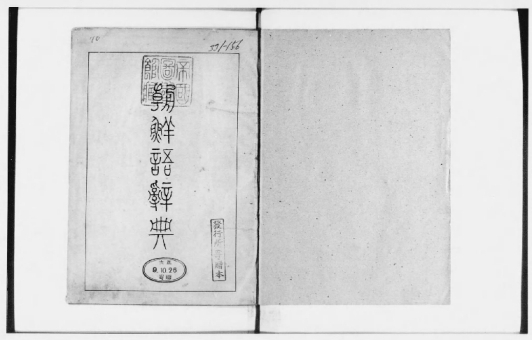
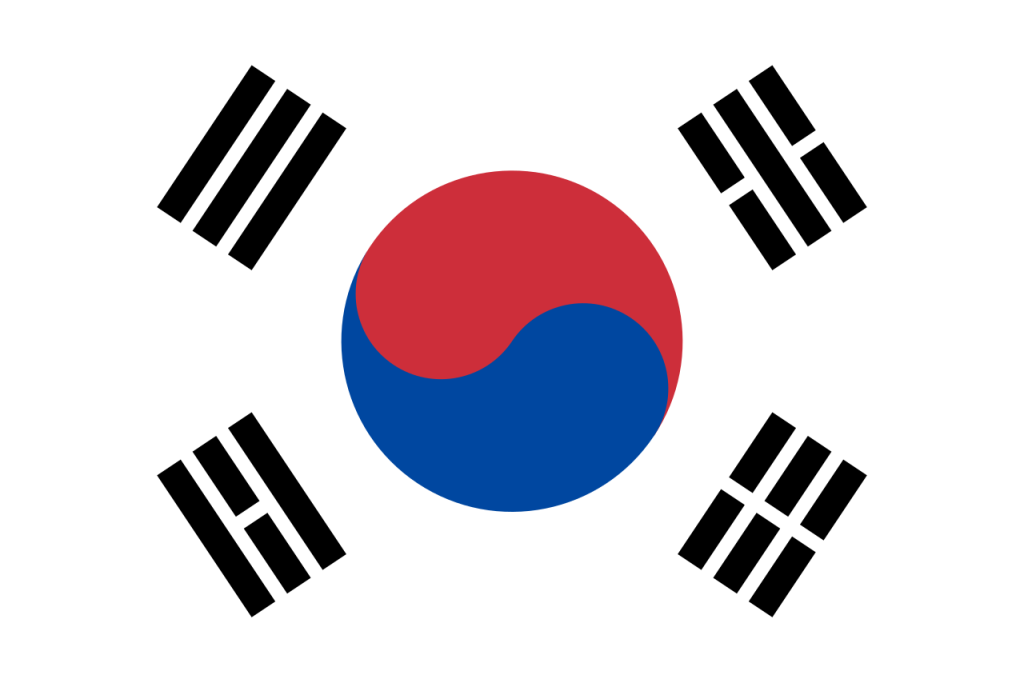
Going back to South Korea—officially named the Republic of Korea — in its Korean name, 대한민국 (Daehan Minguk), can be translated as “the Great Nation of the People of Han.” On a daily basis, South Koreans typically refer to their country as 한국 (Hanguk), literally “the country of Han,” or, sometimes, as 남한 (Namhan), meaning “Southern Han,” whereas North Korea designates South Korea as 남조선 (Namjosŏn), meaning “South Joseon.” This context was crucial to provide a deeper understanding of the political state of relations between the countries and to point out the profound meaning of the demonyms.
The historical segment of the lecture surveyed major events that shaped the trajectory of the once-unified Korean nation, ultimately culminating in the peninsula’s division into two states. To illustrate the magnitude of this historical rupture, Hanna Stryj cited Ross King, who observed that Korea had long been “a rare case of a near-perfect fit between nation and language,” marked by exceptional linguistic and ethnic homogeneity. Today, however, the Korean nation and its territory are divided between two states with profoundly divergent political systems, economic structures, and everyday lived experiences.
As a crucial component of the analysis of the DPRK, Stryj highlighted the consolidation of power by the Kim family and the ideological centrality of Juche (주체사상), North Korea’s doctrine of political self-reliance. Concerning the Republic of Korea, she emphasised the impressive rapidity of its post-war economic transformation, while also addressing enduring societal challenges, including political corruption, gender inequality, and persistently low fertility rates.
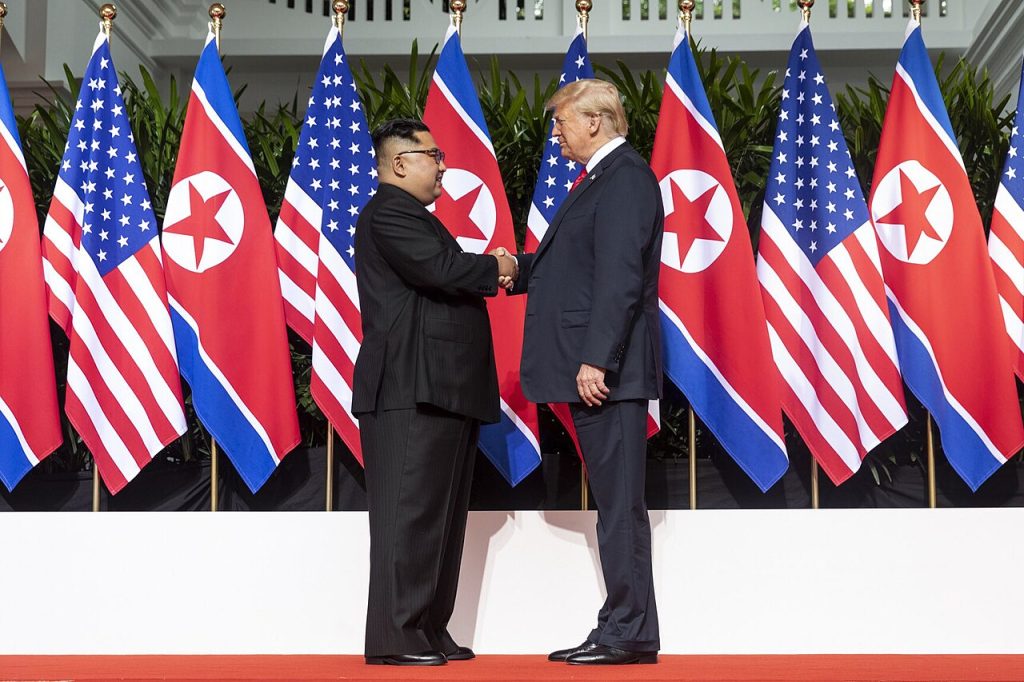
Overall, the lecture offered a meticulously balanced synthesis of historical depth and cultural breadth, effectively engaging students in a nuanced discussion of the Korean Peninsula’s complex past and present.

Tekst: Aleksandra Schonert (KMSI).
Zamieszczone przez: Tomasz Górski


